Introduction to Sustainable Plant-Based Dyes
When launching a new fashion line, finding the right clothing manufacturers for startups is one of your most important steps. Today, many new brands want to use plant-based dyes to make their clothing more eco-friendly. But what exactly are plant-based dyes, and how do they work in real factory production? This guide will explain everything you need to know about natural dyes, from costs and minimum order quantities to sampling speeds. We will help you understand how to use these natural colors in your clothing line while keeping your business running smoothly. As the global apparel market shifts toward sustainability, knowing how to navigate these manufacturing steps is the key to building a successful brand.
The Real Benefits of Using Plant-Based Dyes
1.Better for the Global Environment
Traditional synthetic dyes use a lot of harsh chemicals and petroleum products. They are known to cause major water pollution, especially in rivers near large factories where the wastewater is often dumped without being cleaned. Plant-based dyes, on the other hand, are made from natural botanical sources like roots, tree bark, leaves, flowers, and even food waste like onion peels and grape skins. Because they come directly from nature, they are fully biodegradable and much safer for the environment. They help reduce the heavy carbon footprint of the clothing industry.
2.Safe for Skin and Health
Many standard chemical dyes contain heavy metals, formaldehydes, and other harmful elements that can irritate the skin or cause allergic reactions.
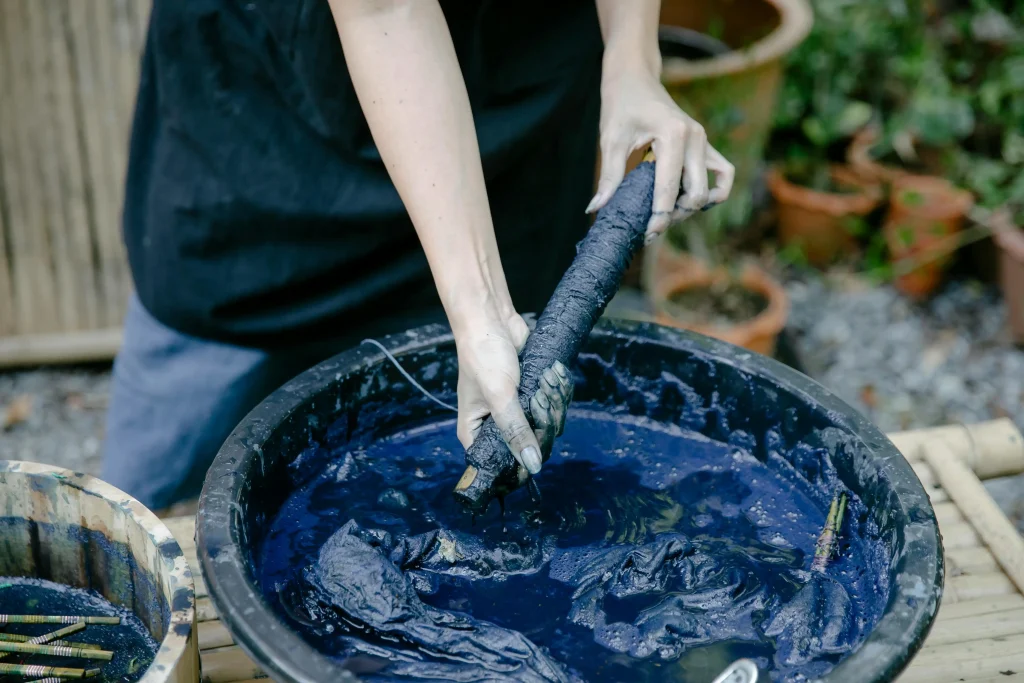
Natural dyes do not use these toxic chemicals. Some plants used for dyeing, like certain herbs and roots, even have natural antibacterial, antifungal, and skin-protecting qualities. This makes plant-dyed clothing a perfect choice for baby clothes, intimate underwear, and modern brands focusing on health and wellness.
3.Unique and Organic Colors
Natural dyes create soft, beautiful colors that synthetic dyes often cannot easily match. The colors have a unique depth that looks very natural and organic. Because the dye comes from living plants, the exact color can change slightly depending on the soil, rainfall, and weather where the plant was grown. This means every piece of clothing is a little bit unique. For a boutique brand, this is not a mistake but a great selling point that shows the clothing is truly natural.
Understanding the Challenges and Production Costs
1.Higher Base Production Costs
While natural dyes are great for the planet, they are usually more expensive than synthetic dyes. This happens for a few key reasons. First, raw plants contain a very small amount of dye pigment compared to highly concentrated chemical dyes. You need a large volume of raw plant material to color a small amount of fabric. Second, the production process takes much more time and manual labor. Workers must boil the plants, filter the water, and carefully soak the fabric for hours. This extra time and effort increase the final cost of each piece of clothing, which brands must plan for in their budgets.
2.Color Fading and Consistency
Synthetic dyes are made in chemistry labs to lock into fabric forever, resisting bright sunlight and heavy machine washing. Plant dyes are much more delicate. They can fade over time if they are washed in very hot water or left in the bright sun for too long. To help the color stick to the fabric, factories use special substances called mordants. Traditional factories used heavy metals as mordants, which were bad for the earth. Today, good eco-friendly factories use natural mordants like plant resins or safe minerals to make the colors last longer without harming the environment. However, brands still need to educate their customers to wash these natural garments gently.
Minimum Order Quantities (MOQ) for Natural Dyes
1.Why Factories Need MOQs
One of the biggest pain points for new brands is the Minimum Order Quantity, or MOQ. This is the smallest number of items a factory will agree to make for a production run. Factories set MOQs because setting up the sewing machines, changing the thread colors, and preparing the large dye baths takes a lot of time and money. If a factory stops a large production line to make just 20 shirts, they lose money. For plant-dyed fabrics, the fabric suppliers also require minimum orders to justify starting their industrial dyeing machines.
2.How to Negotiate Lower MOQs
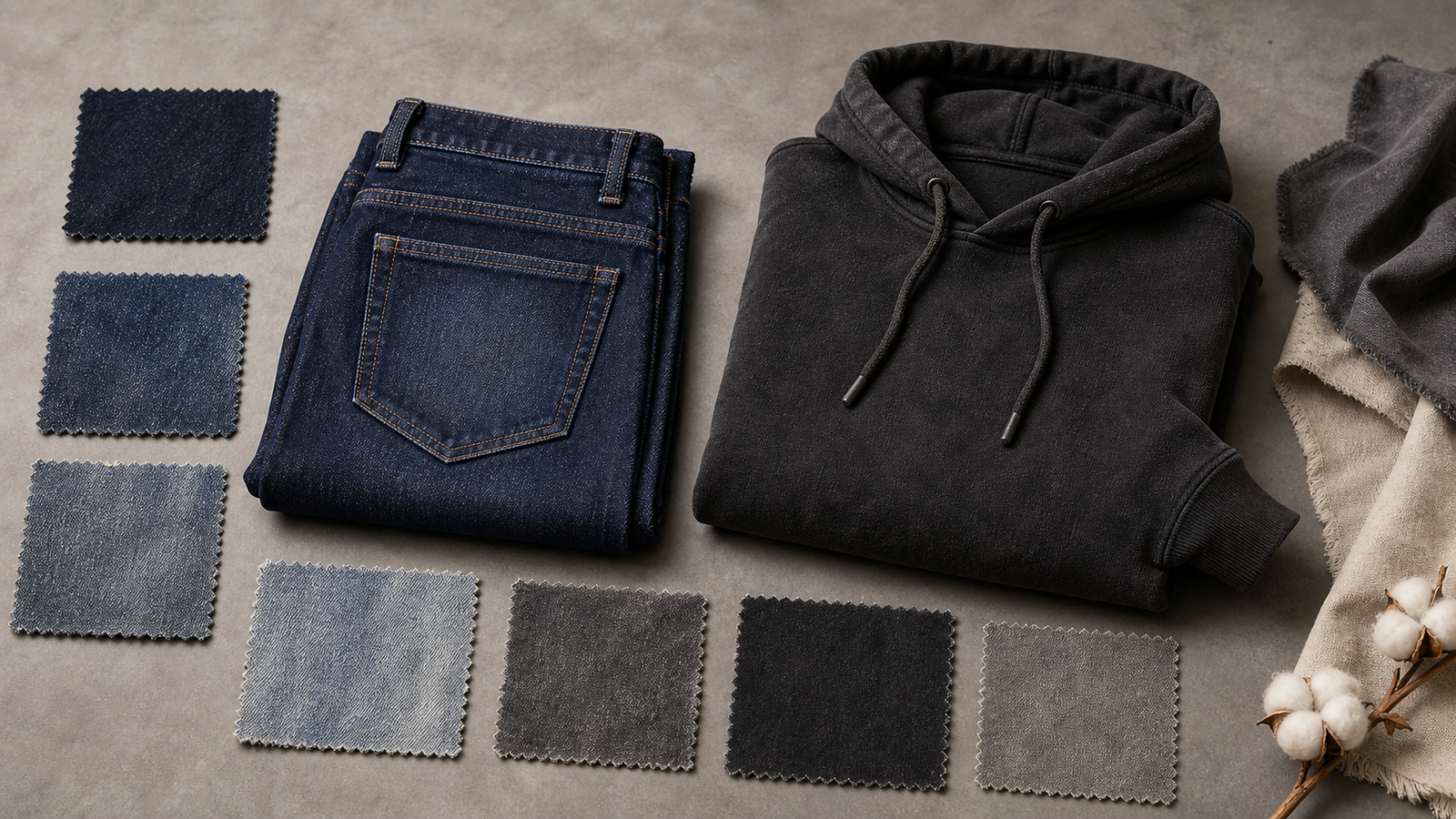
If you need a flexible 50 pcs MOQ to test your market safely, there are smart ways to work with your factory. One great strategy is to use the exact same fabric and the same natural color for different clothing styles. For example, you can make t-shirts, shorts, and hoodies all from the same batch of plant-dyed organic cotton. You can also offer to pay a slightly higher price per piece to help the factory cover their setup costs. Building a good, honest relationship with your manufacturer and sharing your future business growth plans will also make them much more willing to support your small trial orders.
Sampling Speed and Quality Control
1.The Lab Dip Process
Before making your whole bulk order, the factory must perfectly match your chosen color. They do this by making “lab dips.” Lab dips are small pieces of your actual fabric that the factory dyes in a testing lab. Because plant dyes are natural and can be unpredictable, finding the exact right recipe takes extra time. The lab workers might have to adjust the mixture and try several times to get the color approved by you. This means the sampling speed for natural dyes is usually slower than for regular chemical dyes. Startup brands need to plan for this extra development time in their launch schedules.
2.Ensuring Stable Quality
Good quality control is highly important when working with natural colors. The best factories use advanced technology, like special light scanners called spectrophotometers, to check that the lab dip matches your design perfectly. To keep the quality stable during the main production, it is best to use natural fibers like organic cotton, linen, silk, or wool. These natural fabrics absorb plant dyes much better than synthetic fabrics like recycled polyester, giving you a smooth, even, and rich color.
Scaling Your Production with Confidence
Using plant-based dyes is a wonderful way for startup clothing brands to stand out in a crowded market. Modern customers truly love clothing that is safe for their skin, ethically made, and kind to the earth. While the initial costs might be slightly higher and the sampling times a bit longer, the unique and beautiful results are often worth the effort.
By understanding how natural dyes work, you can communicate clearly with your suppliers. You can plan smart strategies to meet MOQs, manage your budget, and build reliable lead times for your brand. Choosing the right manufacturing partner will give you the scalable production capacity you need to grow from your first small batch of fifty pieces to large, successful collections.
If you are looking for a reliable clothing factory in Dongguan, contact ZEKA Apparel.
 English