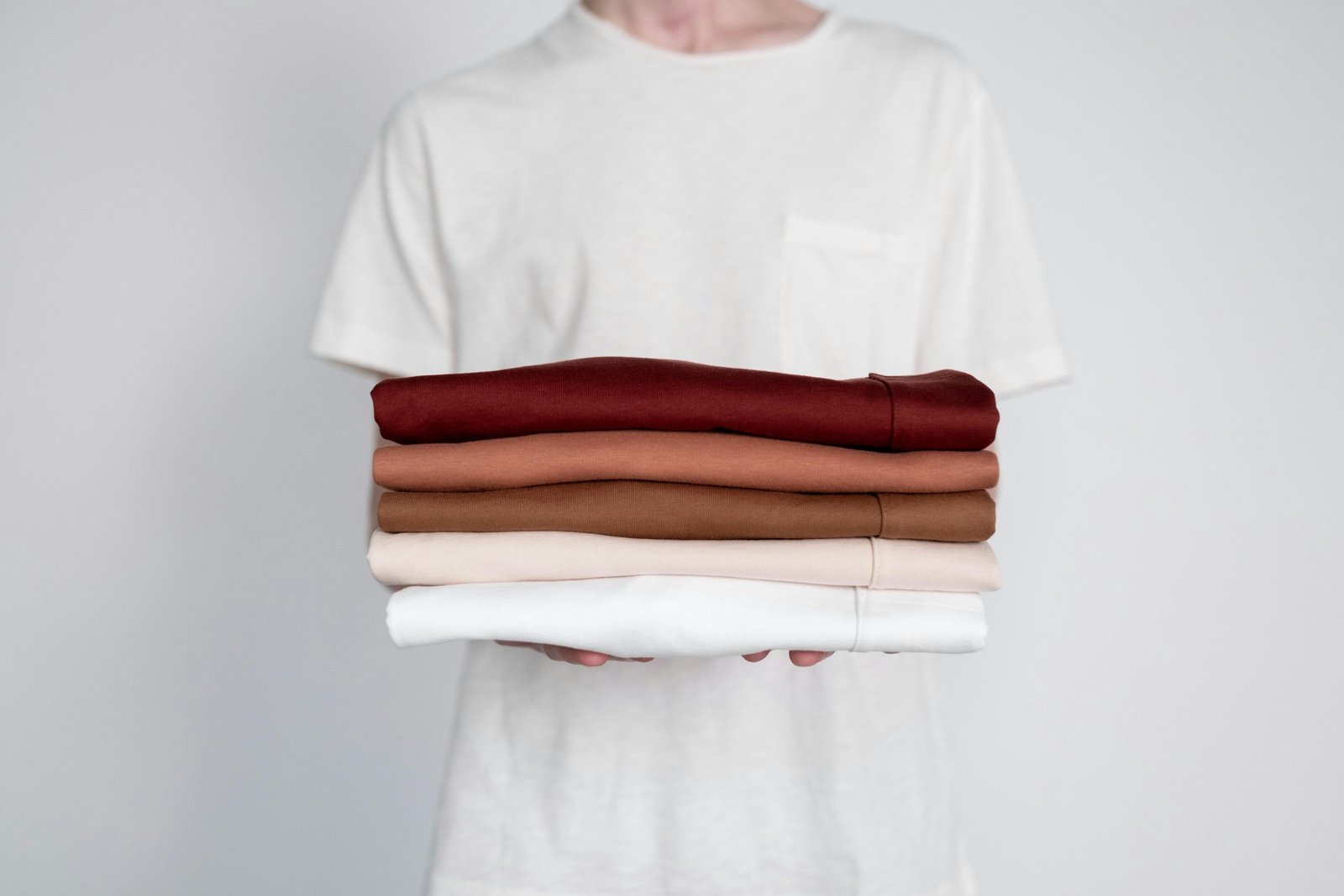
Have you ever bought a t-shirt that looked great in the store, but felt like sandpaper after just one wash?
We have all been there. It is frustrating. As a brand owner, this is your worst nightmare. You want your customers to put on your shirt and never want to take it off.
But here is the secret: Comfort is not just magic. It is science.
After 15 years in the clothing supply chain, we at ZEKA Apparel have seen thousands of fabrics. We know exactly what works and what fails.
Choosing the right fabric is the most important decision you will make for your brand. It affects how the shirt feels, how it fits, and how long it lasts.
In this guide, we are going to walk you through everything you need to know. We will strip away the confusing jargon. By the end, you will pick fabrics like a pro.
Defining “Comfort”: It’s More Than Just Softness
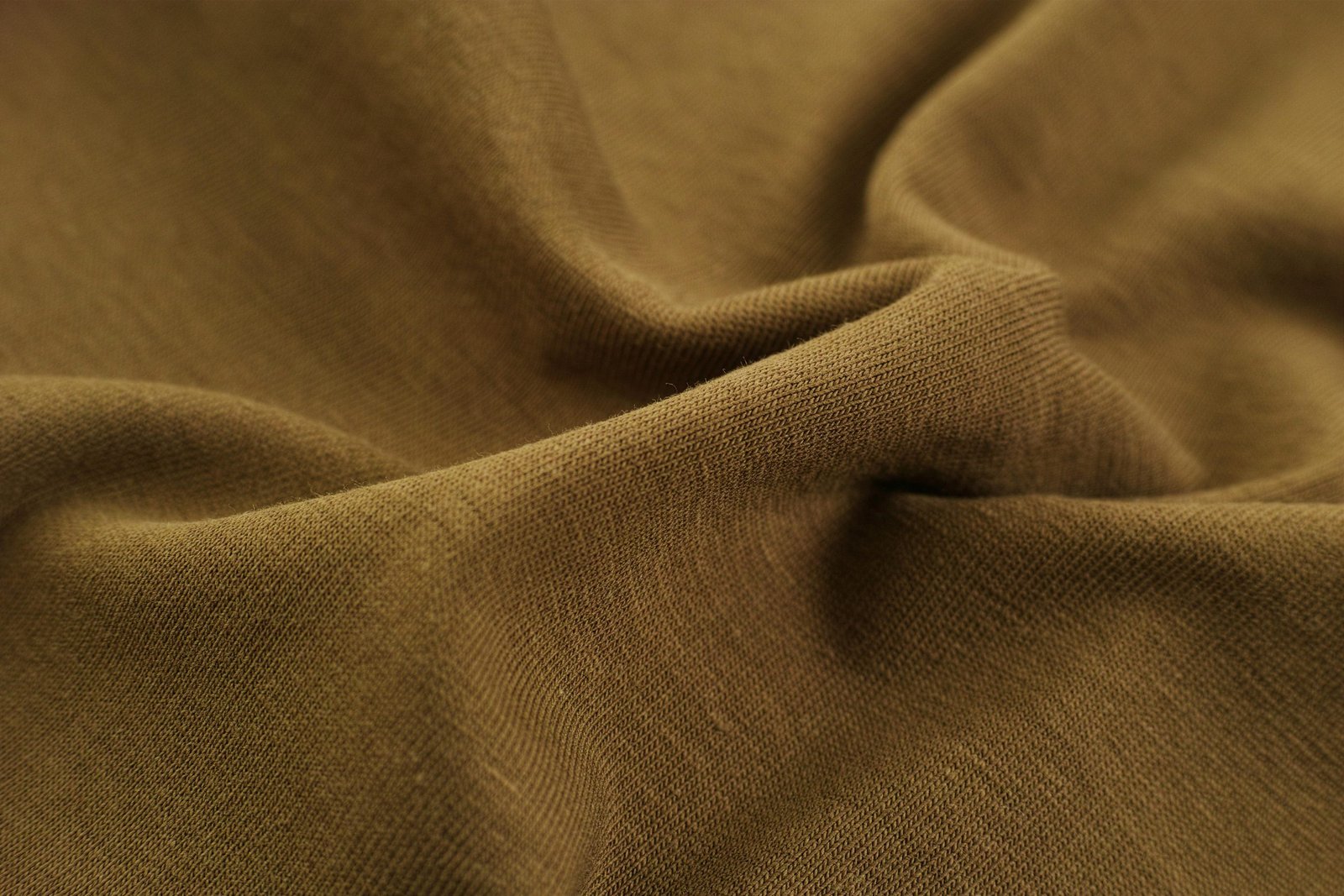
When we say a t-shirt is “comfortable,” most people just think about how soft it is. Softness is important, but it is not the whole story.
To truly understand comfort, we need to look at three simple things.
1. Hand Feel
This is the industry term for touch. When you run your hand over the fabric, is it smooth? Is it rough? Is it cool to the touch?
A good “hand feel” means the fabric does not irritate the skin. It should feel smooth and consistent, not bumpy or scratchy.
2. Breathability
Imagine wearing a plastic bag. It would get hot and sweaty very fast, right? That is because plastic has zero breathability.
Breathability simply means air can flow through the fabric. It lets heat escape from your body. It also lets moisture (sweat) evaporate. A comfortable t-shirt keeps you cool and dry, not sticky.
3. Drape
This is a fancy word for how the fabric hangs on your body.
Does the shirt stick to your stomach? Does it stand up stiff like a cardboard box? Or does it flow naturally over your shoulders? Good drape makes the shirt move with you, not against you.
The Kings of Comfort: Top Fabric Choices Analyzed
Now that we know what makes a shirt comfortable, let’s look at the best materials. There is no single “perfect” fabric. It depends on what your brand stands for.
Here are the top contenders.
1. 100% Cotton (The Classic Choice)
Cotton is the most popular t-shirt fabric in the world. It is natural, it breathes well, and it is generally soft. But be careful—not all cotton is the same.
There is a massive difference between “cheap” cotton and “quality” cotton.
Carded Open End Cotton (The Cheap Option)
This is what you find in very cheap promotional shirts. The manufacturers take raw cotton and smash it together to make thread.
It is fast and cheap to make. However, the fibers are short and messy. Under a microscope, it looks like fuzzy barbed wire. On your skin, it feels rough. It is also heavy and stiff.
Ring-Spun Combed Cotton (The Premium Option)
If you want comfort, this is what you need.
First, the cotton is “ring-spun.” This twists the fibers tightly to make them smoother and stronger.
Next, it is “combed.” Imagine brushing hair. Combing removes all the short, prickly fibers and dirt. It leaves only the long, straight, soft fibers.
The result is a fabric that is incredibly soft and very strong. It is the gold standard for high-quality fashion brands.
If you want to dive deeper into the technical differences, experts like Bella+Canvas have a great guide on combed ring-spun cotton versus carded open-end cotton. It really highlights why the extra cost is worth it for your brand.
Why choose 100% Cotton?
Pros: Natural, breathable, great for printing, hypoallergenic (good for sensitive skin).
Cons: Can shrink if washed in hot water; wrinkles easily.
2. Cotton Blends (The Best of Both Worlds)
Some people think “synthetic” (man-made) fabrics are bad. That is not always true.
When you mix cotton with man-made fibers like Polyester, you get a “Blend.”
The “Heather” Look
Have you seen t-shirts that look speckled or vintage? Like a grey shirt with little white flecks? That is usually a blend. We call that a “Heather” texture. It looks premium and stylish.
Cotton + Polyester (Poly-Cotton)
Polyester is basically plastic thread. It is super strong. It does not wrinkle. It does not shrink.
When you mix 52% Cotton with 48% Polyester, you get a shirt that feels like soft cotton but has the strength of polyester.
It stays the same size after washing.
It dries faster than 100% cotton.
It is often cheaper than premium cotton.
The Tri-Blend (The Softness Champion)
This is a mix of three fabrics: Cotton, Polyester, and Rayon.
Rayon is a semi-synthetic fiber made from wood pulp. It is silky and has an amazing drape.
When you mix these three, you get the softest t-shirt possible. It feels vintage, like a shirt you have loved for 10 years right out of the box.
Why choose Blends?
Pros: Extremely durable, less shrinkage, less wrinkling, very soft (especially Tri-blends).
Cons: Not 100% natural; can sometimes pill (get little fuzzy balls) if low quality.
3. Bamboo & Modal (The Luxury Choice)
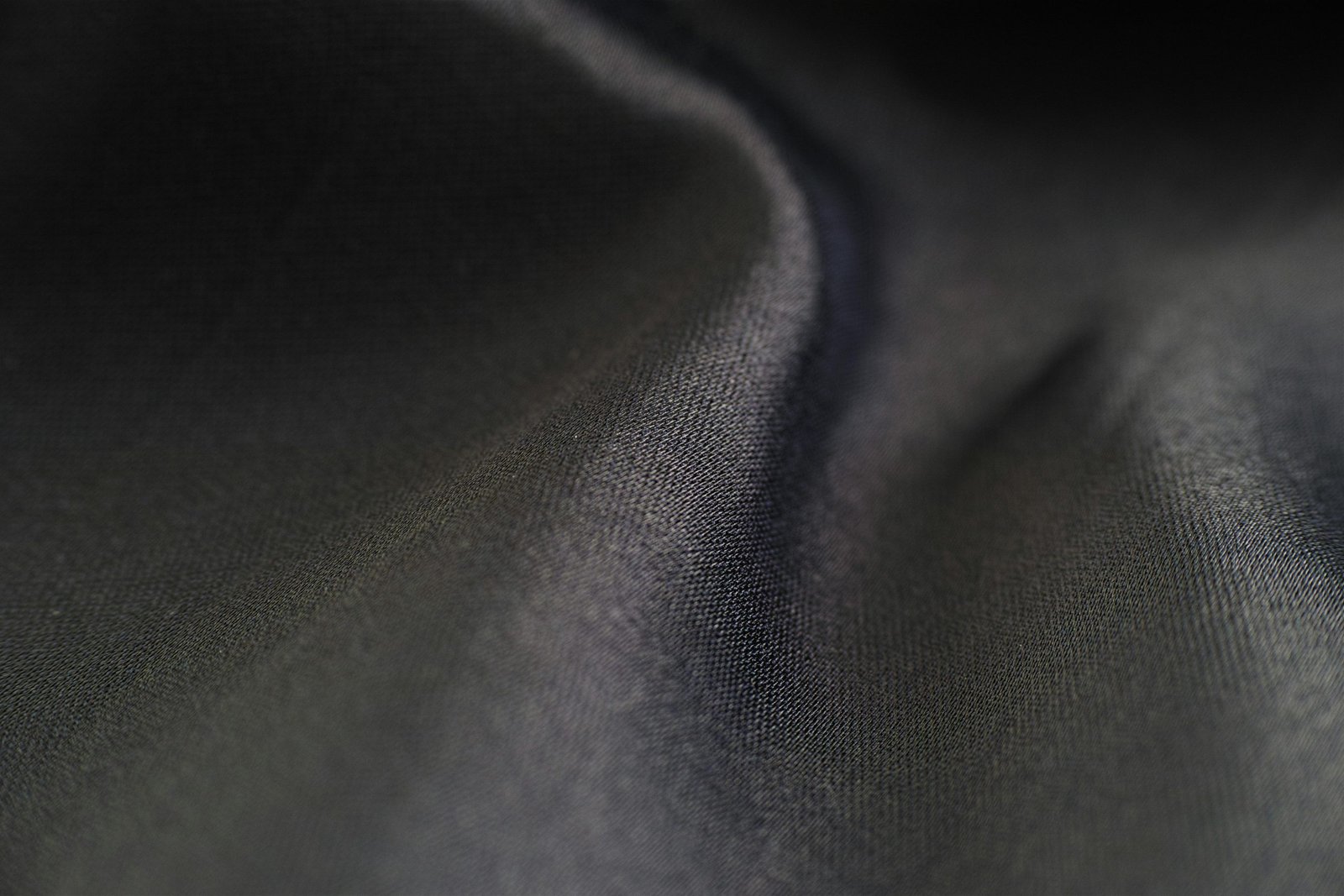
If you are building a high-end brand or charging a high price, look at these fabrics.
Bamboo Viscose
This fabric is made from the bamboo plant. It is crushed down and turned into thread.
Bamboo fabric is naturally cool to the touch. It is also moisture-wicking, meaning it pulls sweat away from the body better than cotton. It feels heavy in a good, luxurious way.
Modal / Micro-Modal
Modal is made from beech tree pulp. It is famous for being “buttery soft.”
It is often used in underwear because it is so smooth against the skin. For a t-shirt, it creates a very fluid, relaxed look. It does not hold heat, making it perfect for summer.
A Note on Sustainability
While these come from plants, turning wood into fabric requires chemicals. If your brand focuses on being eco-friendly, you must check how the fabric was made.
You should look for certified sustainable sources. Organizations like the Textile Exchange set the standards for responsible material sourcing. Checking their resources ensures you aren’t just buying a label, but actual sustainable quality.
Why choose Bamboo/Modal?
Pros: Unbeatable softness, cooling effect, anti-bacterial properties (less smell).
Cons: More expensive; can be harder to print on; requires gentle washing.
Comparison Table: Picking the Right Fabric
To help you decide quickly, we created this simple chart.
| Fabric Type | Softness (1-5 Stars) | Breathability | Cost | Bad For… |
| Carded Cotton | ★★ | Good | $ (Low) | Premium brands. It feels cheap. |
| Ring-Spun Cotton | ★★★★ | Very Good | $$ (Medium) | heavy sweaters (absorbs moisture). |
| Poly-Cotton | ★★★ | Good | $$ (Medium) | People with plastic allergies. |
| Tri-Blend | ★★★★★ | Great | $$$ (High) | Tight budgets. |
| Bamboo / Modal | ★★★★★ | Best | $$$$ (Premium) | Structured fits (it is too flowy). |
Does Weight Matter? Understanding GSM

You picked your fabric. Now, how thick should it be?
In the clothing industry, we measure weight in GSM. This stands for Grams per Square Meter.
A higher number means a heavier, thicker fabric. A lower number means a lighter, thinner fabric.
Many new brand owners think “Heavier is Better.” This is a myth.
A heavy shirt is not higher quality than a light shirt. It is just a different style.
140 GSM – 160 GSM (Lightweight)
This is the standard for most fashion t-shirts.
It feels light on the body.
It is perfect for summer or layering.
Bella+Canvas and Next Level usually use this weight.
Vibe: Modern, fitted, retail-quality.
180 GSM – 220 GSM (Heavyweight)
This is very popular in Streetwear right now.
It feels thick and rugged.
It holds its shape very well (it is stiffer).
It is not see-through at all.
Vibe: Boxy, vintage, expensive, “Supreme” style.
Pro Tip: If you sell to customers in hot climates (like Florida or Texas), stick to 150 GSM. If you sell to a streetwear crowd in New York or London, try 200+ GSM.
Quality Testing: The “Wash Test”
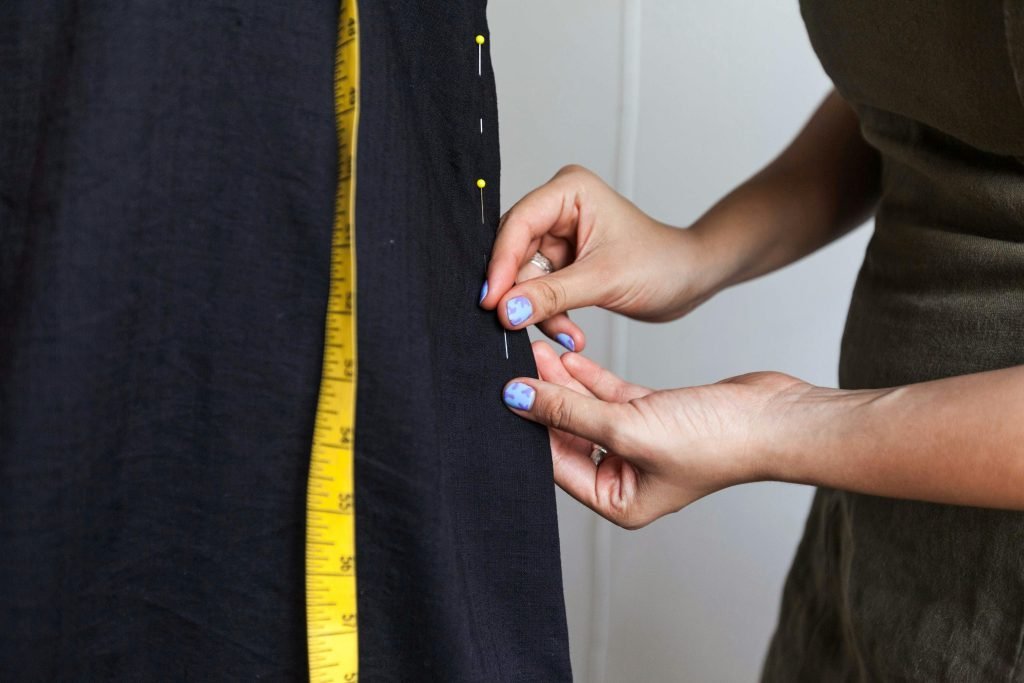
Before you order 500 shirts from a factory, you must do one thing.
Do the Wash Test.
Samples always look good when they arrive new. They are pressed and clean. But your customer will wash the shirt.
When you get a sample from a manufacturer:
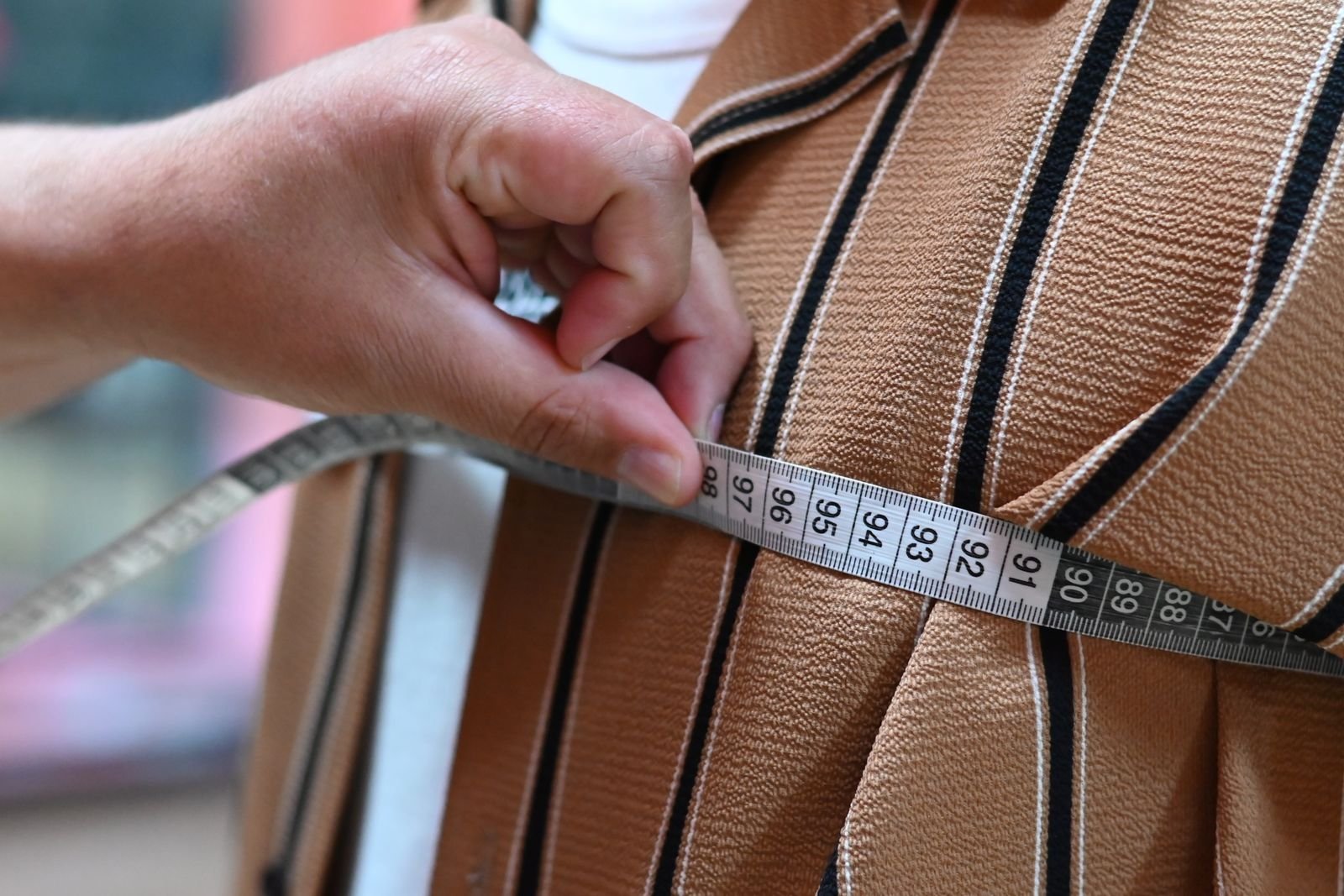
Measure the width and length.
Throw it in the washing machine.
Dry it (even if the label says hang dry—because your customers will use the dryer).
Measure it again.
Did it shrink more than 5%? If yes, the fabric quality is low.
Did it twist? If the side seams are now on the stomach, the fabric was cut wrong.
Did it pill? If little fuzz balls appear after one wash, do not buy it.
Comfort is about lasting comfort. A shirt that feels good for one day is not a good product.
Conclusion & Next Steps
Finding the “best” fabric is a journey.
If you want a classic, safe choice, go with Combed Ring-Spun Cotton.
If you want a vintage, super-soft feel, go with a Tri-Blend.
If you are building a luxury streetwear brand, look for Heavyweight (200 GSM) Cotton or Bamboo.
There is no right or wrong answer. There is only what is right for your brand and your customer.
At ZEKA Apparel, we help brands like yours navigate these choices every day. We don’t just take orders; we guide you to the best result.
Ready to start building your brand?
Now that you know the fabric, let’s talk about the design. The fabric is the canvas, but the art is what sells.
Read our step-by-step guide here: How to Print T-Shirts at Home
 English