Designing a custom hoodie may seem straightforward on the surface, but when you dive into the details — fabric, fit, artwork, production — there’s a lot to think through. Whether you’re launching your own streetwear brand or ordering bulk hoodies for resale, this guide will take you step-by-step through how to design a hoodie that looks great, fits well, and sells.
1. Define the Purpose of Your Hoodie
Before sketching anything, clarify why you want to design the hoodie.
Brand Identity: Is this hoodie part of a streetwear line, athleisure collection, or merch for your company?
Target Audience: Who will wear it — young adults, athletes, students? Knowing your market helps you choose design elements.
Use Case: Will people wear it casually, for workouts, or as outerwear in cooler weather?
Quantity and Budget: How many pieces are you ordering? That affects your design decisions (fabric weight, print techniques, cost).
Having clear goals from the start helps you make better design and sourcing decisions.
2. Choose the Right Fabric
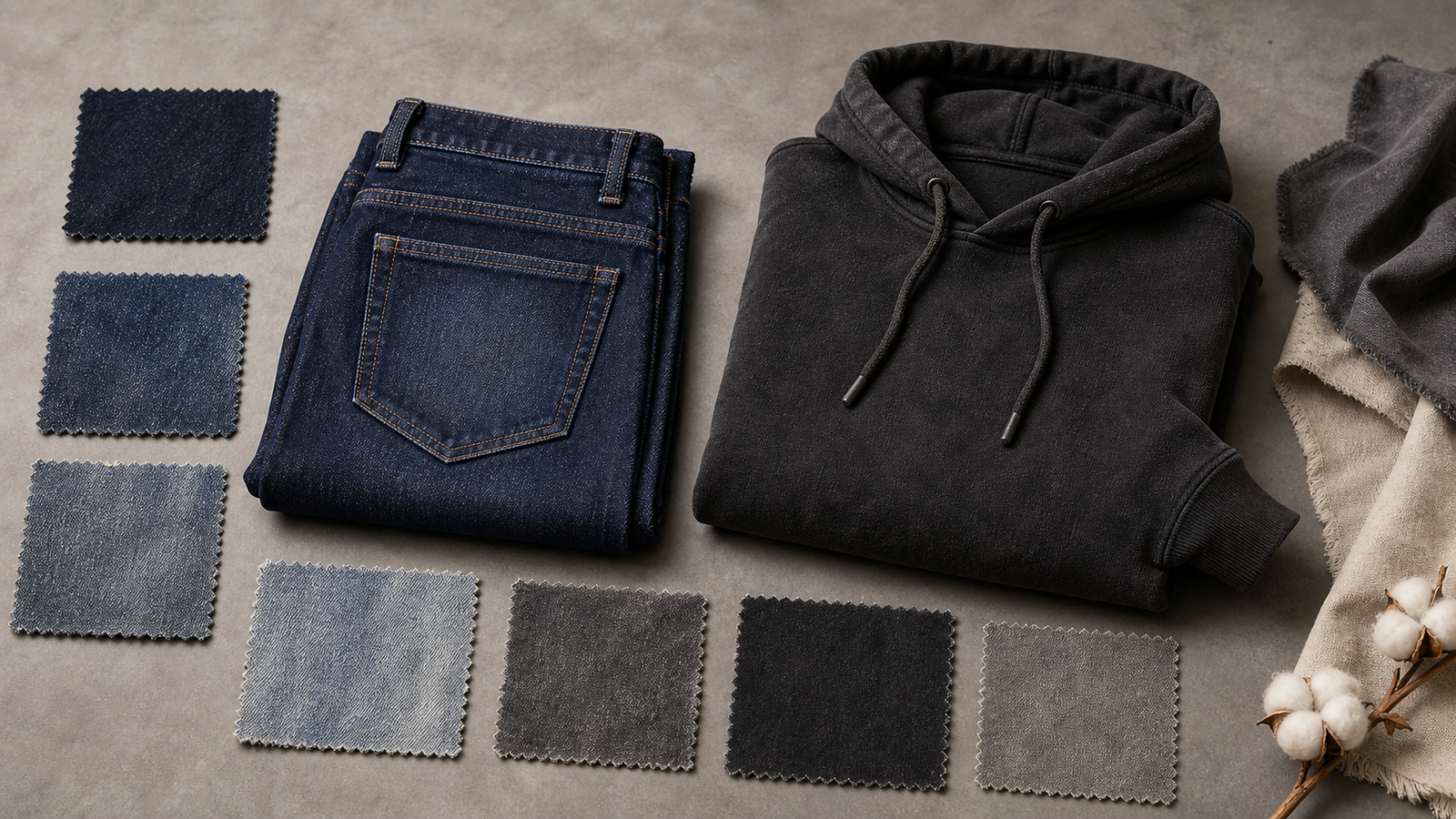
Fabric selection is one of the most important decisions in designing a custom hoodie. It affects comfort, durability, weight, and price.
Cotton: Classic and breathable; ideal for comfort hoodies.
Polyester: More durable and wrinkle-resistant; often used in athletic hoodies.
Cotton-Poly Blends: Combine softness with strength; common in mid-range hoodies.
Fleece Weight (GSM): Pick the GSM (grams per square meter) that suits your design — lighter fleece for simple hoodies, heavier GSM for premium feels.
Eco Materials: Consider organic cotton or recycled polyester if sustainability is part of your brand story.
Also think about fabric finishing: brushed fleece inside adds softness; other finishes can make the surface smoother or reduce pilling.
3. Select the Hoodie Style and Fit
Hoodies come in a variety of cuts and styles. Decide what fits your brand and audience best:
Pullover vs. Zip-Up: Pullover hoodies are a classic, simple style. Zip-up hoodies give flexibility.
Fit: Regular, slim, oversized — the silhouette changes how the hoodie feels and how it’s perceived.
Hood Design: Single-layer hood, double-layer hood (warmer), or lined hood (for structure).
Pockets: Kangaroo pocket, side pouch, or none.
Cuffs & Hem: Ribbed cuffs and hem are common; you can also use elastic or more rigid finishes.
4. Create the Design & Artwork
This is where creativity really comes in. Your design decisions should reinforce your brand identity:
Make a Mood Board
Collect images, color palettes, textures, logos, and fonts that match your brand vision.Design Graphics / Logo
Use a vector design tool (Adobe Illustrator or similar) to create clean artwork. Make sure logos and text are scalable and high-resolution.Choose Print Techniques
Screen Printing: Great for simple designs and bulk orders.
Embroidery: Provides texture and a premium look.
Digital Printing / DTG (Direct-To-Garment): Ideal for complex, colorful designs.
Sublimation: Works well on polyester; good for full-coverage prints.
Appliqué or Patch: Adds dimensional elements like patches or sewn-on designs.
Placement
Decide where every design piece will go: front, back, sleeves, hood, or pocket.Color System
Use Pantone or a color-matching system to ensure colors are consistent across fabric, ink, and digital mockups.
5. Develop the Tech Pack
A tech pack is a blueprint for the manufacturer. It ensures your vision is communicated clearly.
Key elements to include:
Flat Sketches: Front, back, sleeve, and hood views.
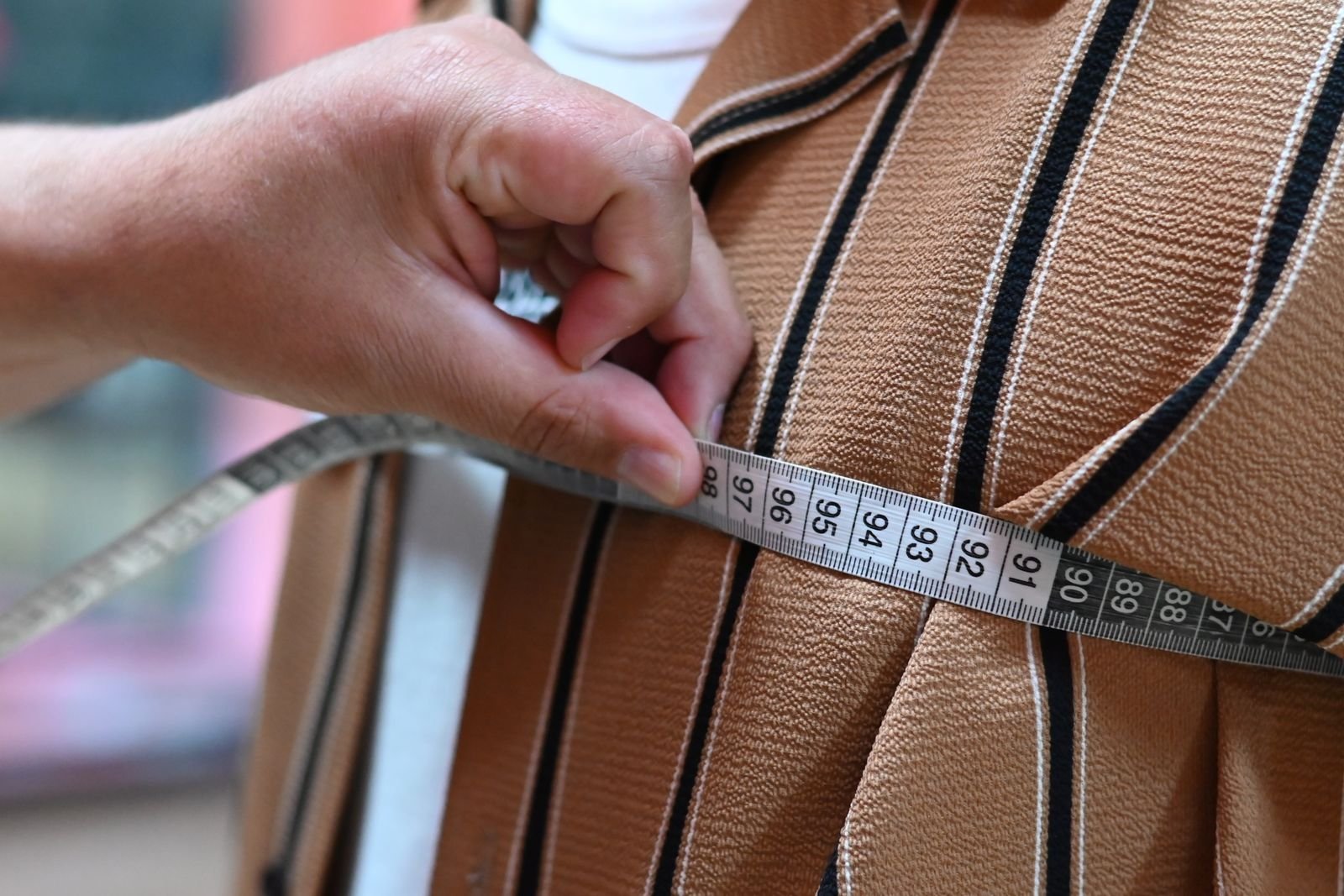
Measurements / Size Spec Sheet: Chest, length, sleeve, hood size for each size (S, M, L, XL, etc.).
Bill of Materials (BOM): Fabric, ribbing, cords, eyelets, drawstrings.
Stitching Details: Type of stitches (overlock, cover stitch, single needle), seam allowances.
Print / Embroidery Details: File formats, stitch counts, print placement, and color references.
Label & Packaging Instructions: Hang tags, care labels, folding specs.
A clear tech pack reduces errors, speeds up sampling, and lowers cost.
6. Prototype and Sampling
Once your tech pack is ready, the next step is making a sample or proto-type.
Request a pre-production sample from your manufacturer.
Check fit and proportions on a real body or dress form.
Test fabric: wash it, stretch it, see if it shows pilling.
Evaluate printing or embroidery quality and alignment.
Make necessary adjustments: tweak the pattern, change fabric weight, modify stitching.
Sampling is your chance to fix problems before mass production.
7. Quality Control & Production Planning
When you’re happy with the sample:
Set QC Standards
Define what “good quality” means: no broken stitches, color consistency, no puckering.Choose Order Size
Based on your sales forecast, budget, and MOQ (minimum order quantity).Confirm Lead Time
Ask your factory for production lead time (typical for hoodies: 30–60 days, depending on complexity).Pre-Shipment Inspection
Before the bulk order ships, do a random check on a certain percentage of pieces. Make sure size spec, print, embroidery, and finishing are consistent.
8. Packaging & Branding
Custom hoodies aren’t just about the garment — how you package them matters too.
Hang Tags: Use branded tags that reflect your brand identity.
Care Labels: Include washing instructions to prevent customer complaints.
Poly Bags / Packaging: Choose reusable bags, or eco-friendly packaging if that aligns with your brand.
Packing List: Ensure each box includes a packing list so you (or your buyer) can cross-check quantities.
9. Final Tips to Boost Sales & Brand Value
Pricing Strategy: Calculate your cost + margin. For B2B, offer tiered pricing (e.g., 50–99 pcs, 100–499 pcs…).
Photos & Marketing: When you get your first batch, take high-quality photos or lifestyle images. Use them on your website / Instagram / sales sheets.
Brand Story: Share behind-the-scenes of design or manufacturing
Sustainability: Using eco-materials or ethical production
 English