Working with a clothing manufacturer for the first time can feel confusing. You may have questions like:
What do I send in the first message?
How do I get a real quote (not a random number)?
How do I make sure bulk goods match the sample?
How can I get fast turnaround without losing quality?
This article gives you a clear, step-by-step plan to start working with a clothing manufacturer. It is written for B2B buyers in the UK, US, and Australia: brand owners, wholesalers, uniform buyers, and online sellers.
We will keep the words simple, the steps clear, and the advice practical. You can follow this checklist from your first email to your first shipment.
Step 1: Get “Production-Ready” Before You Contact a Factory
Most delays happen before production even starts. The number one reason is unclear information. A good factory can move fast, but only if you give clear details.
You do not need a perfect tech pack to begin. But you do need a mini tech pack (a simple, clear file).
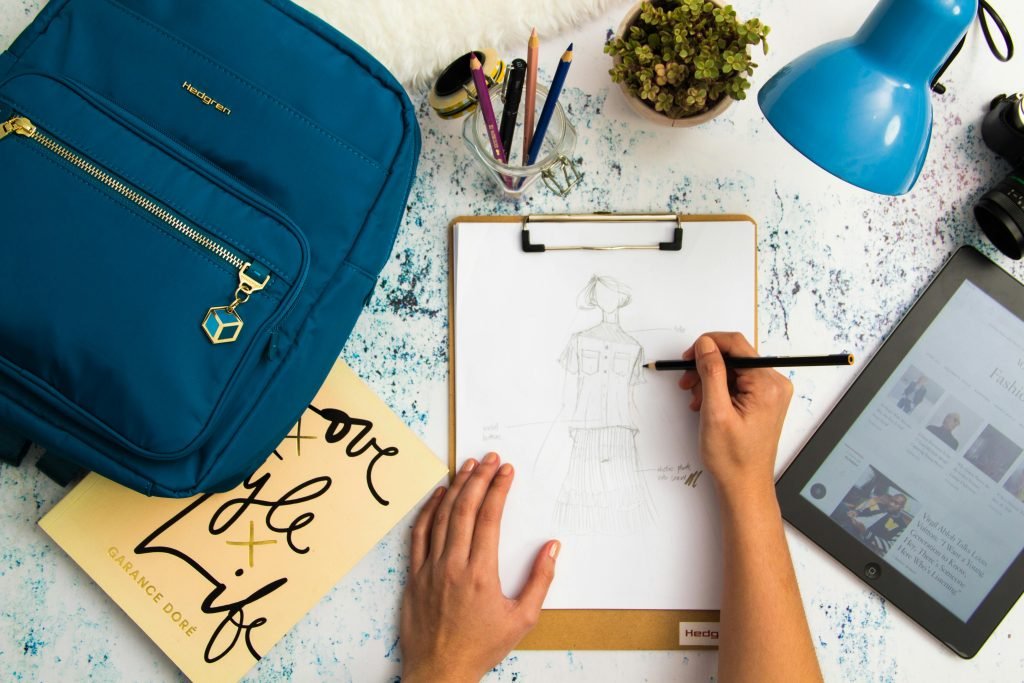
What to prepare (mini tech pack checklist)
1) Product type
T-shirt, hoodie, polo, jacket, pants, dress, activewear, workwear, etc.
2) Reference photos
Front and back photos
Close-up photos of key details
3) Fabric request
Fabric type (cotton, polyester, nylon, etc.)
Fabric feel (soft, thick, light, stretchy)
Fabric weight (GSM if you know it)
Any special needs (anti-pilling, moisture-wicking, water-repellent)
4) Color needs
Pantone code (best), or clear color photos
Number of colors (1 color or many colors)
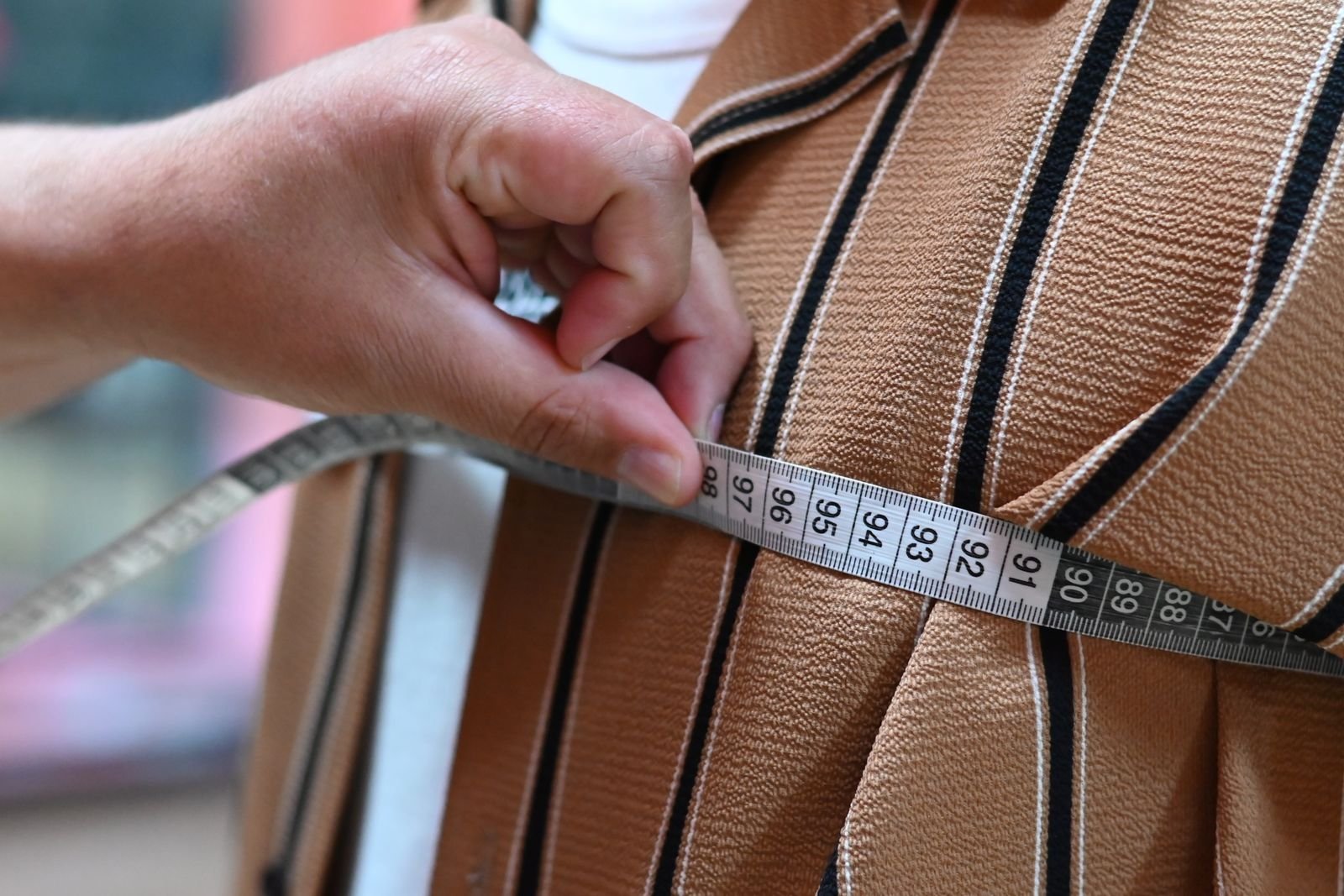
5) Size range and size chart
XS–XXL or any custom range
A simple size chart is enough to start
6) Logo and decoration
Print or embroidery (or both)
Logo file (AI/PDF/PNG)
Placement (chest, sleeve, back, etc.)
Size of logo (example: 8 cm wide)
7) Labels and packaging
Woven label, printed label, care label
Hangtag
Polybag, carton packing
Barcode sticker (if you need it)
8) Order plan
First order quantity (example: 300 pcs)
Colors and size ratio (example: 2 colors, S–XL mixed)
9) Target market
UK, US, or AU (important for labeling and sizing)
10) Target timeline
When you want the goods ready
If you send these details in the first message, you will get better answers, faster quotes, and fewer mistakes.
Step 2: Choose the Right Manufacturer (Not Just “Any Factory”)
Many suppliers say: “We can do all products.” But B2B buyers need more than “yes.” You need a partner who can make your product stable, repeatable, and on time.
Since your target is UK/US/AU, you should also choose a manufacturer that understands:
Common size systems and fit expectations
Label needs (fiber content, care label basics)
Packing and shipping documents for international orders

A simple factory-fit checklist (ask these questions)
What products do you make most (top 3 categories)?
What is your normal MOQ per style and per color?
What is your normal lead time for sampling and bulk?
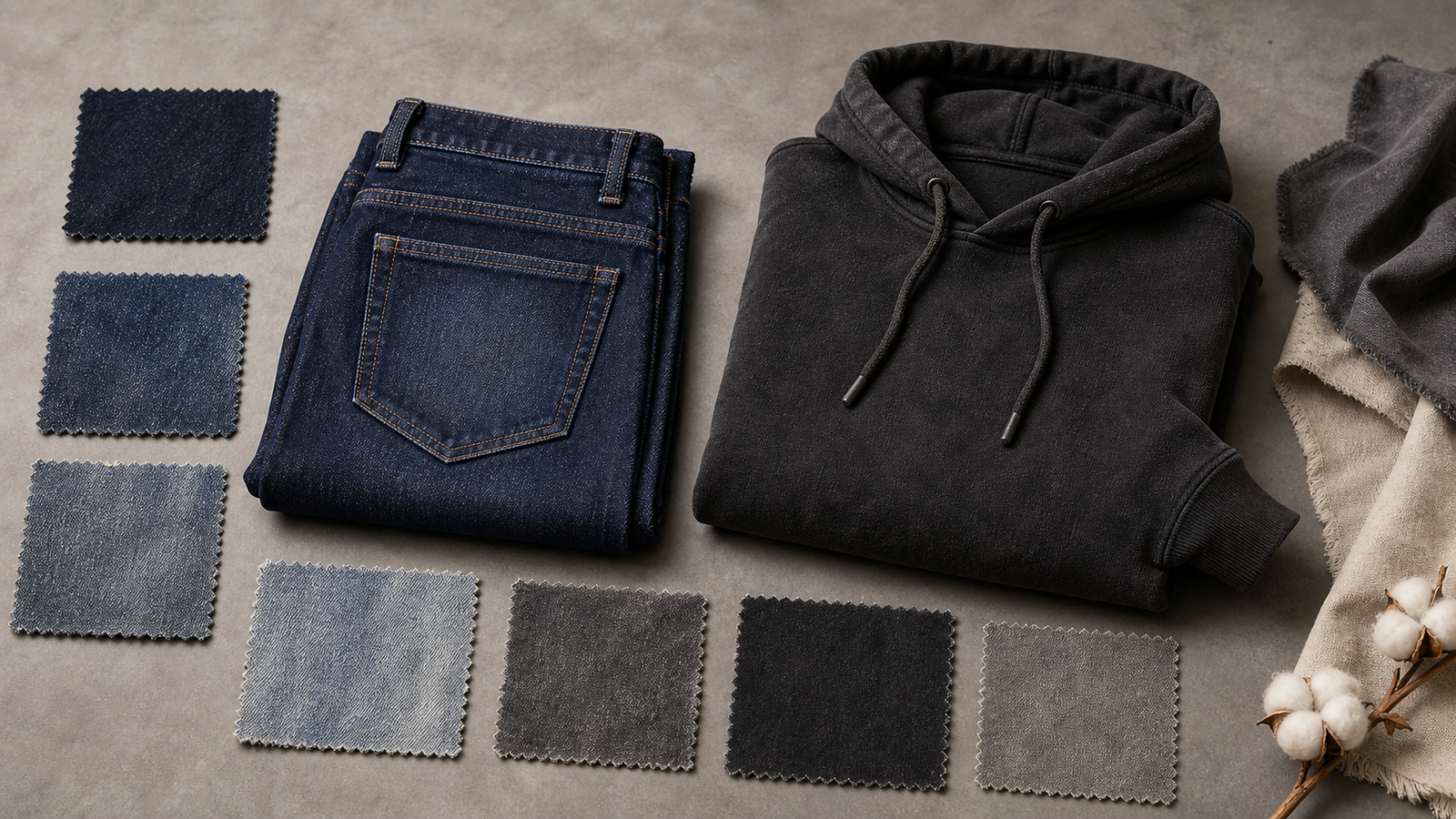
Do you have a fabric library (stock fabrics) to speed up production?
Can you send fabric swatches before sampling?
What printing methods do you offer?
What embroidery types do you offer?
How do you control quality during production?
Can you share real production photos/videos (not only showroom photos)?
Can you support repeat orders and fast re-orders?
A strong manufacturer will answer clearly and give useful details. A weak one will give short replies with no proof.
Step 3: Send a First Message That Gets a Real Reply
Your first email (or message) matters. If it is too short, the factory must guess. If it is too long, key details get lost.

First message template (you can copy and paste)
Subject: Bulk Clothing Production Inquiry (UK/US/AU)
Hello [Name/Team],
My name is [Your Name]. I am a [brand owner/wholesaler/uniform supplier] selling in [UK/US/AU].
I would like to produce the following style:
Product: [e.g., hoodie / T-shirt]
Fabric: [e.g., 100% cotton, 320 GSM, brushed fleece]
Colors: [e.g., black and grey, 2 colors]
Sizes: [e.g., S–XL, mixed ratio]
Quantity: [e.g., 500 pcs total]
Logo: [printing/embroidery], placement [left chest], size [8 cm]
Labels/packaging: [private label / hangtag / polybag]
Target shipping time: [date or week]
Please share:
Quote with price breaks (e.g., 300/500/1000 pcs)
MOQ and why (per style / per color / per size ratio)
Sampling timeline and bulk timeline (step-by-step)
What fabric options you recommend (stock fabric is OK)
Thank you,
[Your Name]
This message helps the supplier give a quote you can trust.
Step 4: Request Quotes That You Can Compare
A common mistake is to compare only the final price. That is risky. Two factories can give the same unit price but very different total cost.
Ask for a quote breakdown
Request a clear list like:
Fabric cost
Trims (zippers, buttons, drawcords)
Printing cost (by method and size)
Embroidery cost (by stitch count/size)
Packaging (polybag, hangtag, carton)
Sampling cost (and how many revisions are included)
Shipping terms (EXW, FOB, or DDP)
Ask for “landed cost thinking”
If you ship to the UK/US/AU, you should also think about:
Shipping cost
Import taxes and duties (depends on your shipping method and your country rules)
Warehouse labels or barcode needs (if you sell to retailers)
You do not need to solve everything in one day. But you should know what costs exist, so you can plan your pricing.
Step 5: Use a Fabric Library to Move Faster (Fast Turnaround Advantage)
If speed matters, fabric is often the key. Custom fabric dyeing can add time. But stock fabrics from a fabric library can reduce lead time.
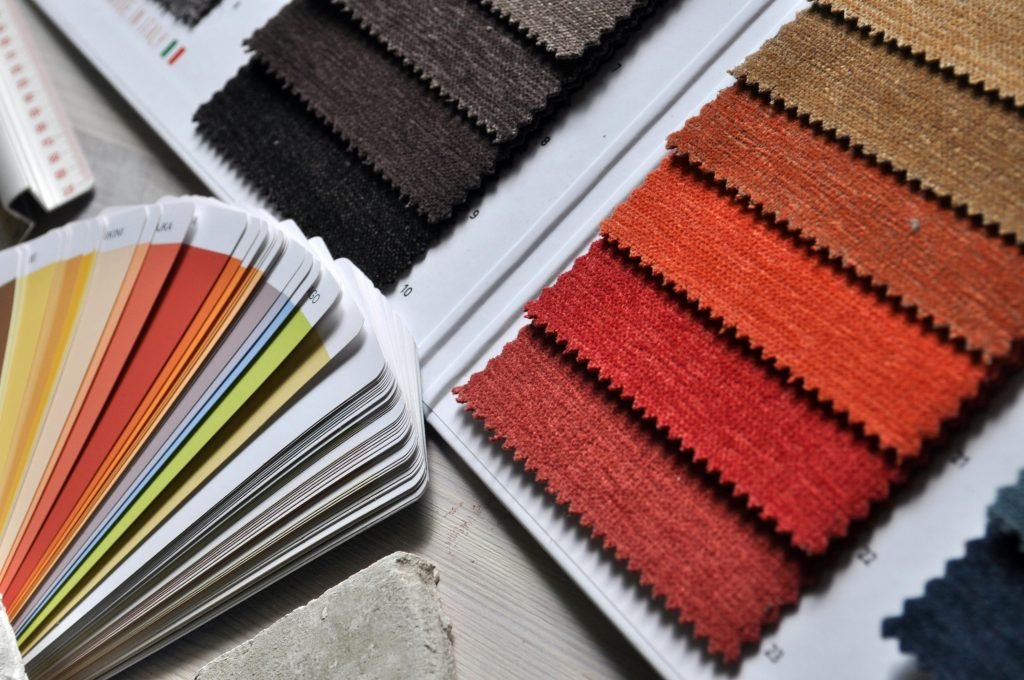
Two production routes (choose based on your goal)
Route A: Fast turnaround with fabric library
Choose from stock fabrics and ready colors
Faster sampling
Faster bulk production
Better for fast re-orders
Route B: Custom fabric for a unique brand look
More color and feel control
Longer timeline
Usually higher MOQ
For many B2B buyers (especially new brands), Route A is the smart start. You can launch faster, test the market, and then upgrade to custom fabric later.
Ask for fabric swatches first
Before you pay for sampling, request swatches:
Feel the fabric
Check thickness
Compare colors
Confirm stretch and recovery (for activewear)
Swatches help you make faster decisions and reduce sample revisions.
Step 6: Sampling (Turn Samples Into a Simple System)
Sampling is not only about “does it look nice.” It is a test of the supplier’s process.
The two samples that matter most
1) Fit sample
Check size, shape, and comfort
Fix the pattern early
2) PP sample (pre-production sample)
Final fabric
Final decoration (print/embroidery)
Final labels and packaging
Final measurement rules
If your PP sample is approved, bulk production should match it—if you also set quality checks (next step).
Simple sample approval checklist
Check:
Measurements match your chart (within tolerance)
Stitching is clean and strong
Logo placement is correct
Print looks sharp and does not crack after wash
Embroidery is flat, neat, and not pulling the fabric
Fabric shrinkage is acceptable (test wash if needed)
Labels are correct
Packaging meets your needs
Tip: Write your feedback in clear bullets. Avoid vague words like “better” or “nice.” Use “move logo up 1 cm” or “reduce collar width by 0.5 cm.”
Step 7: Printing and Embroidery (Make It Look Professional)
Decoration is where many brands win or lose. Since you sell in UK/US/AU, buyers often expect clean logo work and stable wash performance.
Printing: choose by goal (simple guide)
Screen printing: best for large quantity, solid colors, strong cost control
DTG (direct to garment): best for small quantity, many colors, photo-style art
Heat transfer: flexible for small runs, fast, but quality depends on film and pressing
Silicone / puff / special prints: premium look, needs correct testing
Ask your manufacturer:
What method fits your logo?
What is the wash test plan?
What is the print size limit and color limit?
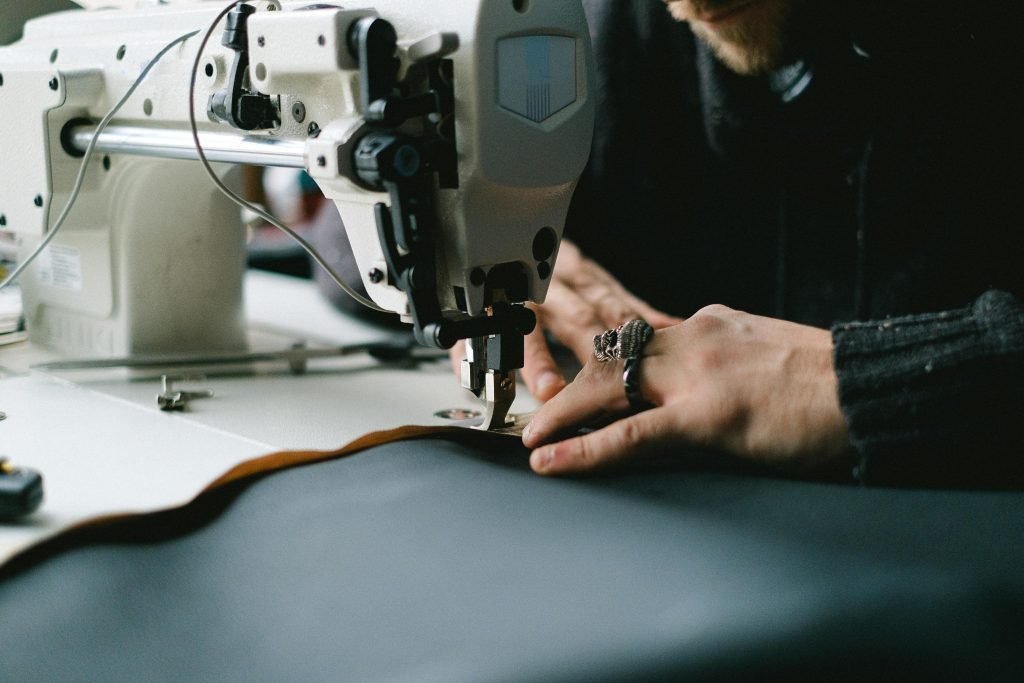
Embroidery: what buyers should ask
What embroidery types can you do (flat, 3D, patch, etc.)?
How do you price it (size, stitch count)?
What backing do you use (important for comfort and shape)?
How do you keep placement stable?
Embroidery looks simple, but the details matter. A factory with strong embroidery capacity can deliver more consistent results, especially for fast re-orders.
Step 8: Bulk Production (Control Risk With 4 Checkpoints)
Bulk goods can fail even when the sample is good. The reason is often missing control points.
Use 4 checkpoints
1) Fabric approval
Confirm fabric type, weight, and color before cutting
2) First piece approval (production start)
Factory makes the first finished piece
You confirm key points (logo, measurements, stitching)
3) Mid-production check
Catch problems early (before all pieces are done)
4) Final inspection + packing check
Measurements, appearance, labels, packaging
Carton count and carton marks
If you are paying a balance before shipping, these checks protect you.
Step 9: Shipping to UK/US/AU (Finish Strong)
Shipping is part of the supply chain, not an afterthought.

Choose shipping based on your need
Air shipping: faster, higher cost, good for urgent re-stock
Sea shipping: lower cost, slower, good for large bulk orders
Also consider:
Insurance (recommended for bulk goods)
Clear carton packing list
Documents: invoice, packing list, and shipping papers
A good manufacturer will help you prepare the correct packing details to avoid delays.
Step 10: After the First Order (How to Scale Faster)
The best way to get fast turnaround is to build repeatable “modules.”
Build a simple repeat system
Keep the same base pattern for future styles
Use a short list of proven fabrics from the fabric library
Standardize labels and packaging
Save your approved PP sample as the reference
When you do this, your second and third orders move much faster than the first.
Common Mistakes (Quick Red Flags)
Be careful if a supplier:
Gives a price without asking for details
Avoids talking about QC steps
Promises “any design, any MOQ, super fast” with no plan
Cannot provide real production proof
Does not confirm details in writing
In B2B production, clear process matters more than big promises.
FAQ: Working With a Clothing Manufacturer
Do I need a tech pack to start?
A full tech pack is great, but you can start with a mini tech pack. The key is clear details: fabric, size chart, logo method, and packaging needs.
What MOQ is normal?
MOQ depends on product type, fabric, color count, and decoration. Stock fabrics usually allow lower MOQ than custom fabric.
How long does sampling take?
Sampling time depends on your changes and the factory schedule. If you choose stock fabrics and clear artwork, sampling is usually faster.
How do I make sure bulk matches the sample?
Use a PP sample, freeze the final version, and set QC checkpoints: first piece, mid-check, and final inspection.
What is the fastest way to reduce lead time?
Use a fabric library (stock fabrics), keep your design clear, and confirm decisions quickly. Fast turnaround is a team process.
Printing or embroidery—which is better?
It depends on your logo and your brand style. Printing can be great for bold designs. Embroidery can look premium and durable. Many brands use both.
Ready to Start? Make Your Next Step Simple
If you want to start working with a fast turnaround clothing manufacturer that supports UK/US/AU buyers, we can help.
We offer:
Full category production (many apparel types in one supply chain)
Fast turnaround options (best for re-orders and quick launches)
A strong fabric library to speed up decisions
In-house or stable-partner printing and embroidery for consistent quality
Next step: Go back to our website and contact us with either:
your mini tech pack, or
a few reference photos + target quantity + target market (UK/US/AU).
We will reply with a clear plan: fabric options, sampling steps, price breakdown, and a realistic timeline—so you can launch faster and grow with fewer risks.
 English