How to Choose Fabric GSM for Garments
GSM means grams per square meter, a standard way to describe fabric weight. It helps brands compare options, but GSM alone does not determine quality, thickness, softness or durability.
As practical starting points, 160–220 GSM is common for lighter T-shirts, 230–300 GSM for heavyweight tees, 300–350 GSM for standard hoodies, and 360–500 GSM for heavier hoodies and sweatpants. The right choice still depends on fiber composition, knit structure, finish, climate, silhouette and target price.
Use this guide to compare weight ranges and prepare a clearer supplier brief. If you are developing a sweatshirt collection, see our custom hoodie manufacturing service for fabric, labeling and sampling options.
What is GSM in Clothing?
GSM stands for Grams per Square Meter. It is the standard unit used to measure the weight and density of fabric.
Think of it like paper. A standard sheet of notebook paper is light and easy to tear. A business card is thick and stiff. In clothing, a higher GSM usually means the fabric is thicker, more durable, and holds its shape better.
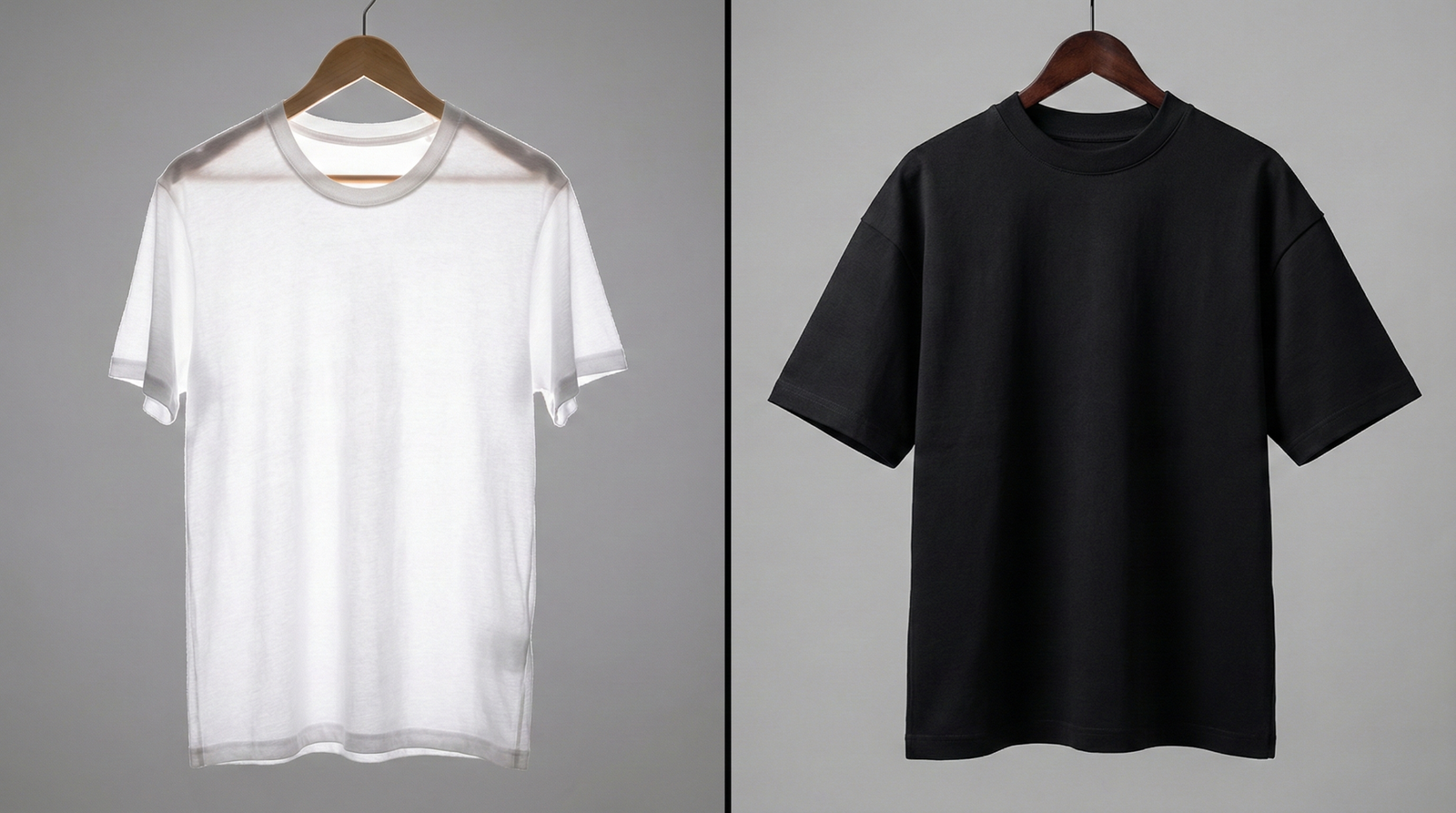
Low GSM: Lightweight, sheer, and drapey (Summer clothes).
High GSM: Heavy, stiff, and structured (Streetwear & Winter clothes).
Pro Tip: Higher GSM does not always mean “better quality.” It depends on the style. A summer running shirt should be light. But for a vintage wash streetwear look, you definitely want a higher weight. Learn more about fabric metrics on MasterClass.
The T-Shirt Weight Spectrum: Finding Your Fit
When you are looking for wholesale t-shirts, “Heavy” can mean different things to different factories. Here is exactly what the numbers mean.
1. Lightweight (160 gsm – 190 gsm)
This is your standard “undershirt” weight. If you are searching for a 190 gsm shirt, you are looking for something breathable and soft.
Best for: Summer collections, gym wear, or cheap promotional giveaways.
Feel: Soft, flowy, and slightly thin.
2. Mid-weight (200 gsm – 260 gsm)
This is the “Sweet Spot.” A 230 gsm or 250 gsm t- shirt is thicker than a standard Hanes tee but not too hot. It feels expensive but is still comfortable for daily wear.
Best for: Standard brand merchandise, logo tees.
Popular Choice: A 260 gsm T-shirt can balance structure, comfort and material cost.
3. Heavyweight (280 gsm – 300 gsm)
This is for the luxury streetwear market. A 280 gsm t-shirt or 300 gsm t-shirt is very thick. It does not drape over the body; it stands away from the body, creating that trendy “Boxy Fit.”
Best for: High-end streetwear, acid wash tops, and brands selling tees for $50+.
Note: If you search for a high gsm t shirt, make sure to ask us for samples in the 280-300g range.
The Hoodie & Sweatpants Spectrum
This is where many startups get confused. A “heavy” t-shirt is 300gsm. But a 300gsm hoodie? That is actually considered lightweight in the streetwear world.
To help you find the best custom hoodie manufacturers, use this scale:
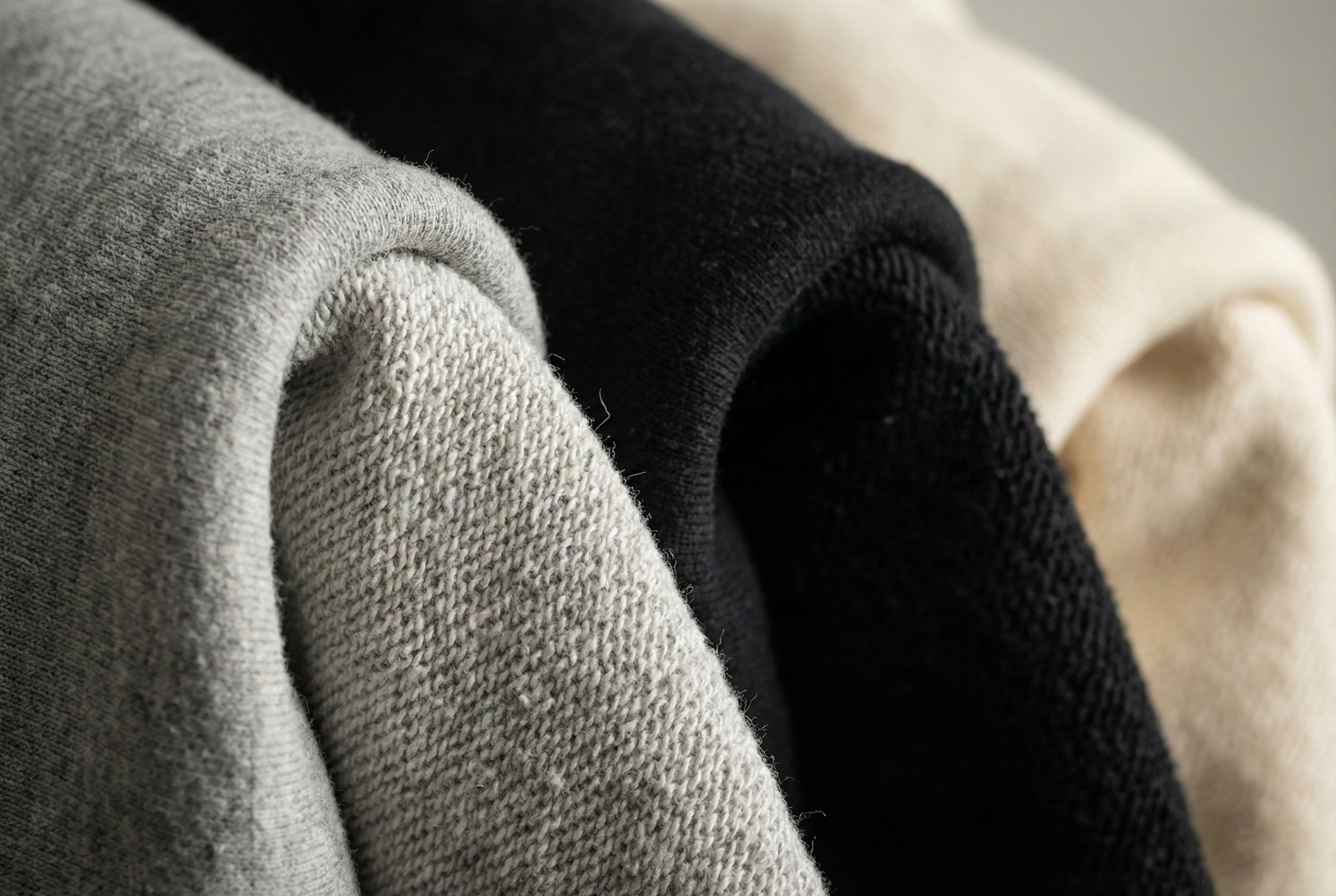
1. Standard Market Quality (300 gsm – 350 gsm)
Most generic hoodies you buy at a mall are around 300-320gsm. If you search for 350 gsm hoodies, you are getting a solid, standard quality product. It is good, but it might not feel “luxury.”
2. Premium Heavyweight (360 gsm – 400 gsm)
A 360 gsm hoodie or 400 gsm hoodie usually feels substantial and can support a more structured silhouette.
Why choose this? If you want to do puff printing (3D foam print) or complex embroidery, you need this weight. Thinner fabrics will collapse under the weight of the ink.
Design trade-off: A 400 gsm hoodie can create a structured oversized fit, but it also increases warmth, material use and shipping weight.
3. Ultra-Luxury (450 gsm – 500 gsm)
For a very heavy winter product, consider 450 gsm sweatpants or 500gsm hoodies.
Feel: These feel like a weighted blanket. They are incredibly durable and warm.
Use Case: High-ticket winter collections ($150+ retail price).
The Battle of Materials: Cotton vs. Blends vs. Eco-Fabrics
Once you have decided on the weight, you need to choose the composition. Many brands ask us: “Is 100% cotton always better?”
The answer is: Not always. It depends on the function of the garment. Let’s break down the differences using keywords you might be searching for, like cotton vs cotton blend or viscose vs cotton.
1. 100% Cotton (The Purist Choice)
Cotton is the king of streetwear. If you are making a vintage wash collection, you must use 100% cotton.
Pros: It is breathable, hypoallergenic, and fades beautifully over time.
Cons: It wrinkles easily and can shrink if not treated properly.
Best For: High gsm t shirt collections and premium hoodies.
2. Cotton Blends (The Durability Choice)
When you see a label that says “80% Cotton / 20% Polyester” or “60% Cotton / 40% Polyester,” that is a blend.
What does cotton blend mean? It means we mix synthetic fibers with natural cotton to increase durability.
Cotton vs Synthetic: Synthetics (like Polyester) do not shrink and hold color better than cotton.
Best For: Uniforms, workwear, and standard 350 gsm hoodies that need to look “new” for a long time.
3. Bamboo & Viscose (The Softness Choice)
If you are searching for viscose vs cotton underwear or bamboo cotton t shirts, you are likely looking for extreme softness.
Bamboo Cotton: This is a rising star in the wholesale bamboo clothing market. It is naturally anti-bacterial and feels cool to the touch.
Viscose: Often used for flowy summer shirts. Is viscose good for summer? Absolutely. It is lighter and silkier than cotton, making it perfect for hot weather.
4. Performance Synthetics (Nylon & Spandex)
For activewear, cotton is terrible because it absorbs sweat and gets heavy. You need synthetics.
Nylon: Is nylon bad for underwear? No, modern nylon is excellent. It is smooth and durable. When we compare nylon vs cotton underwear, nylon wins for gym use, while cotton wins for daily hygiene.
Spandex: If you are looking for the best fabric for leggings, you need a mix of Nylon and Spandex (usually 10-20%). This gives the “stretch” that yoga pants need.
Deep Dive: Want to know more about sustainable fabrics? Check out this guide on Textile Exchange for industry standards on organic and recycled materials.
Specialty Finishes: The Secret to “Vintage” Vibes
You have the weight (GSM) and the material (Cotton). Now, how do you make it look cool?
This is where finishing comes in. ZEKA coordinates garment-wash development with long-term professional washing partners so brands can evaluate the intended worn-in look during sampling.
1. Acid Wash (The Grunge Look)
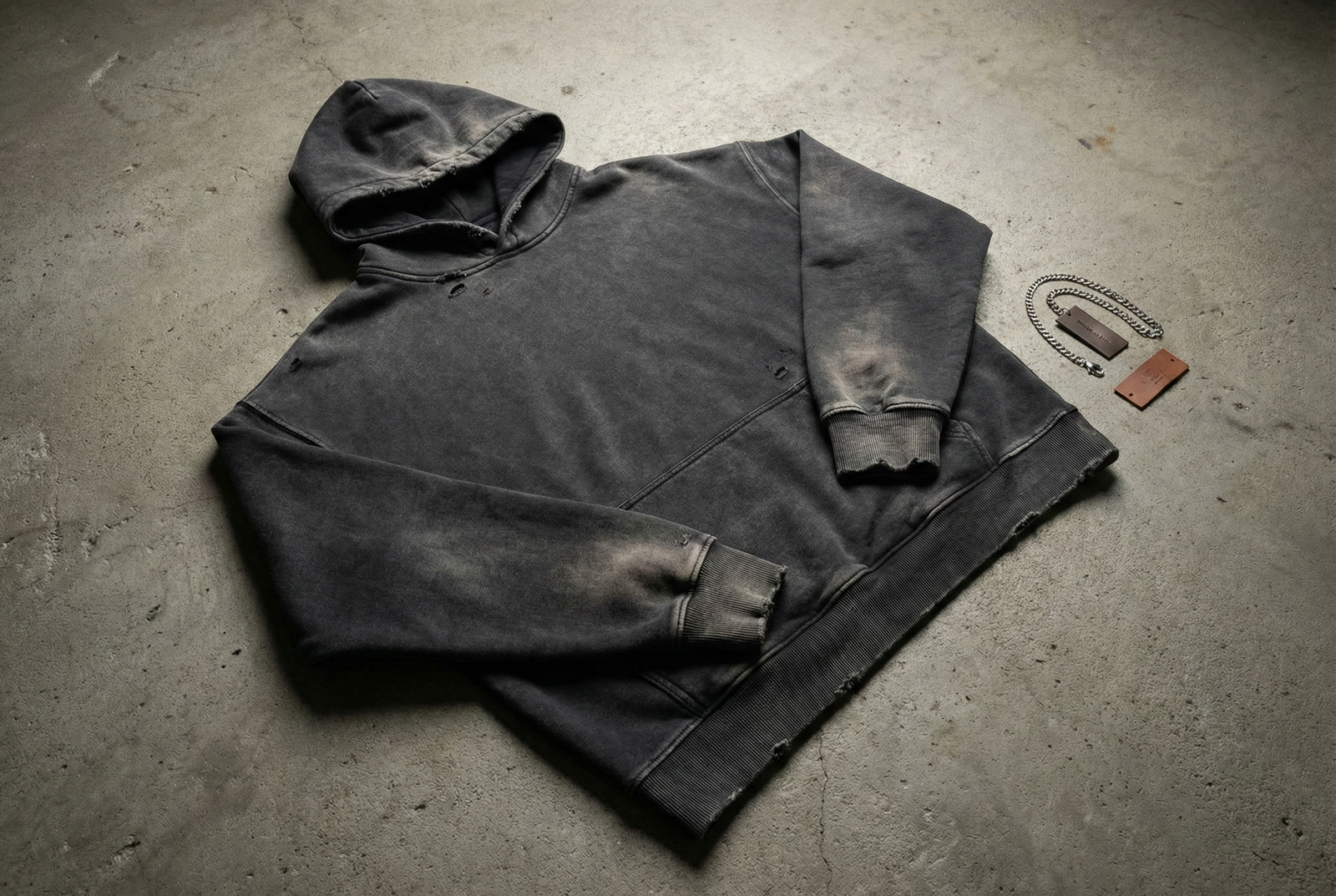
If you are searching for an acid washed top or hoodie, you want that cloudy, high-contrast look popular in the 90s.
Process: For acid-wash development, ZEKA coordinates the target effect and trial requirements with long-term professional washing partners.
Requirement: Wash trials should be checked on the selected fabric because abrasion and chemistry can affect color, hand feel, strength and measurements.
2. Stone Wash & Bio-Wash
Stone Wash: Gives a subtle, faded look, making the fabric feel softer.
Bio-Wash: If you hate “pilling” (those little fuzzballs on clothes), ask for a Bio-Wash. It uses enzymes to eat away dead fibers, leaving the surface super smooth.
3. Pre-Shrinking (Crucial for B2B)
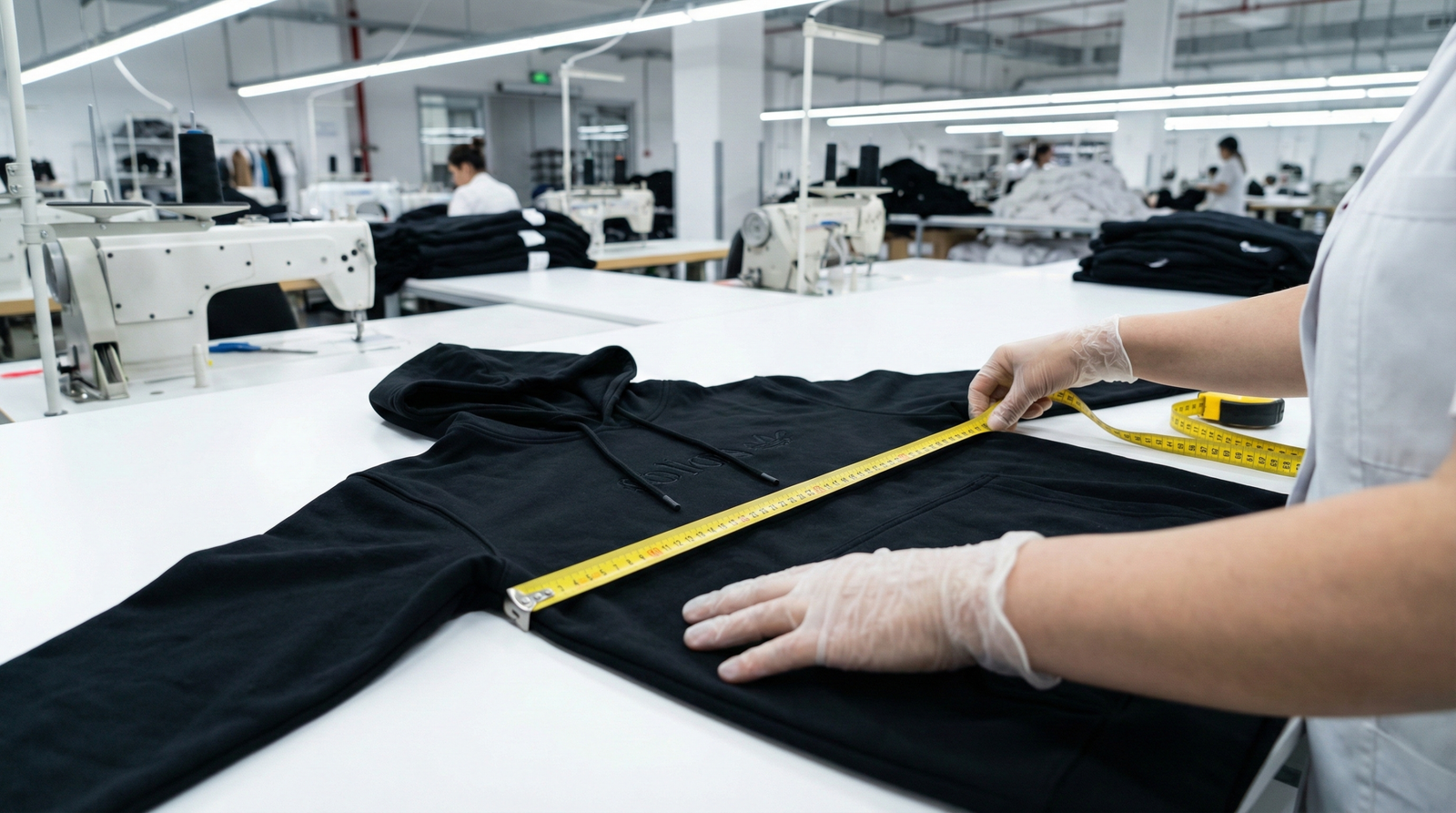
This is the #1 pain point for buyers. You buy a 400 gsm hoodie, wash it once, and it becomes a crop top.
Before bulk: Confirm the intended care method, wash test and measurement points on the approved sample.
During approval: Agree acceptable dimensional tolerances for the specific fabric, construction and finish before production.
How to Source: A Checklist for Startups
Now that you are an expert on fabrics, you are ready to talk to manufacturers. Do not just say “I want a hoodie.” Be specific.
Use this checklist when contacting hoodie manufacturing companies:
Define the GSM: “I am looking for a 400 gsm hoodie wholesale order.”
Define the Composition: “I need 100% Cotton French Terry.”
Define the Finish: “I want a vintage acid wash effect.”
Ask for Samples: Never skip this. Ask for a sample of their 280 gsm t shirt and 360 gsm sweatpants to compare the hand-feel.
Why Choose Us?
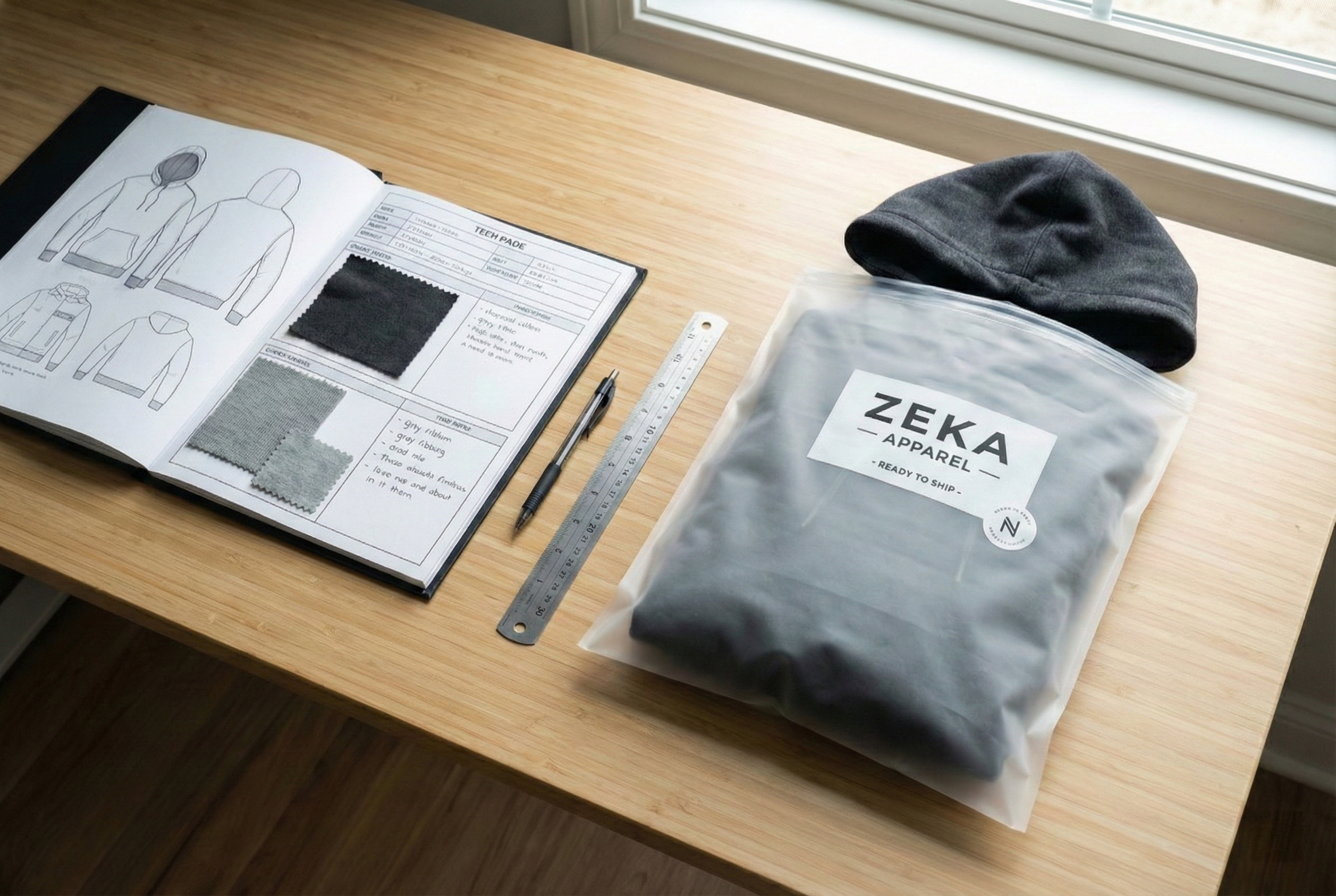
We aren’t just a factory; we are a partner for startups.
Low MOQ: We support lower-quantity development for brands, with the workable MOQ confirmed by design, materials and finishing requirements.
Customization: From puff printing to custom tags (private label hoodies).
Production fit: Discuss GSM, composition, sample approval, labeling and packaging with our custom hoodie manufacturing team.
Frequently Asked Questions (FAQ)
Here are answers to the specific questions you have been searching for:
Q: What is the difference between a jacket and a coat?
A: Generally, a jacket is lighter and ends at the waist (like a denim jacket), while a coat is heavier and extends below the hips for winter warmth. In streetwear, heavy zip up hoodie manufacturers often bridge this gap with “shackets” (shirt-jackets).
Q: What is the best material for leggings?
A: The best fabric for leggings is a Nylon/Spandex blend (often 80/20). Cotton leggings lose their shape too quickly.
Q: Is 100% cotton better than a blend for hoodies?
A: For high-end fashion, yes. But if you want a cheap hoodie bulk order for a school event, a 50/50 blend is cheaper and requires less care.
Q: Can you do “Private Label”?
A: Yes. We specialize in private label hoodies. We can replace generic supplier tags with your brand’s woven labels, hang tags, and even customize the packaging bags.
Conclusion
Building a clothing brand is hard, but sourcing shouldn’t be. By understanding the difference between 230 gsm and 400 gsm, and knowing when to use cotton vs cotton blend, you can brief suppliers more precisely and compare samples on the factors that matter.
Ready to start? Stop guessing and start creating. [Contact Us] today to get a quote for your first custom heavyweight hoodie sample.
 English