Introduction: The “Eco-Luxury” Opportunity
If you are a boutique owner or a fashion buyer in 2026, you have likely noticed a massive shift in what your customers want. They aren’t just looking for “fast fashion” anymore. They want softness. They want breathability. And most importantly, they want sustainability. This is where bamboo clothing wholesale sourcing comes into play.
Bamboo fabric has exploded in popularity across the US and Europe. It is often called “eco-luxury” because it feels like cashmere but costs a fraction of the price. However, finding reliable bamboo clothing wholesale suppliers is one of the hardest challenges for a new brand. You have to navigate confusing chemical names, international shipping rules, and Minimum Order Quantities (MOQs) that can drain your bank account.
Are you tired of sending emails to factories that never reply? Are you worried about “greenwashing” and fake certifications?
This comprehensive guide is your roadmap. We will walk you through exactly how to distinguish high-quality fabrics, how to vet bamboo clothing companies, and how to negotiate deals that protect your cash flow. By the end of this article, you will know exactly how to fill your shelves with the best wholesale bamboo apparel on the market.
Part I: Understanding the Product – Viscose, Lyocell, or Linen?
Before you spend a single dollar, you need to understand exactly what you are buying. Many new boutique owners make the mistake of thinking “bamboo is bamboo.” In reality, there are three very different types of fabric made from this plant.
1.1 The Dominance of Bamboo Viscose (Rayon)
When you search for bamboo apparel wholesale on Alibaba or Faire, 90% of what you find is Bamboo Viscose (also called Bamboo Rayon).
Why is it so popular?
Feel: It is incredibly soft, silky, and has a beautiful drape.
Price: It is the most affordable option.
Cooling: It regulates body temperature effectively.
The Process:
To make this fabric, the hard bamboo stalk is crushed and dissolved in a solution (usually sodium hydroxide) to turn it into a thick liquid. This liquid is then spun into fibers. Because this is a chemical process, you cannot call it “natural fiber” in the same way you would describe raw cotton. It is a “regenerated cellulosic fiber.”
For most boutiques selling pajamas, underwear, or basic t-shirts, Bamboo Viscose is the standard choice. However, you must ensure your supplier handles the chemicals responsibly (more on this in Part IV).
1.2 Bamboo Lyocell: The Premium Alternative
If your brand is strictly focused on high-end sustainability, you should look for bamboo clothing suppliers who offer Bamboo Lyocell.
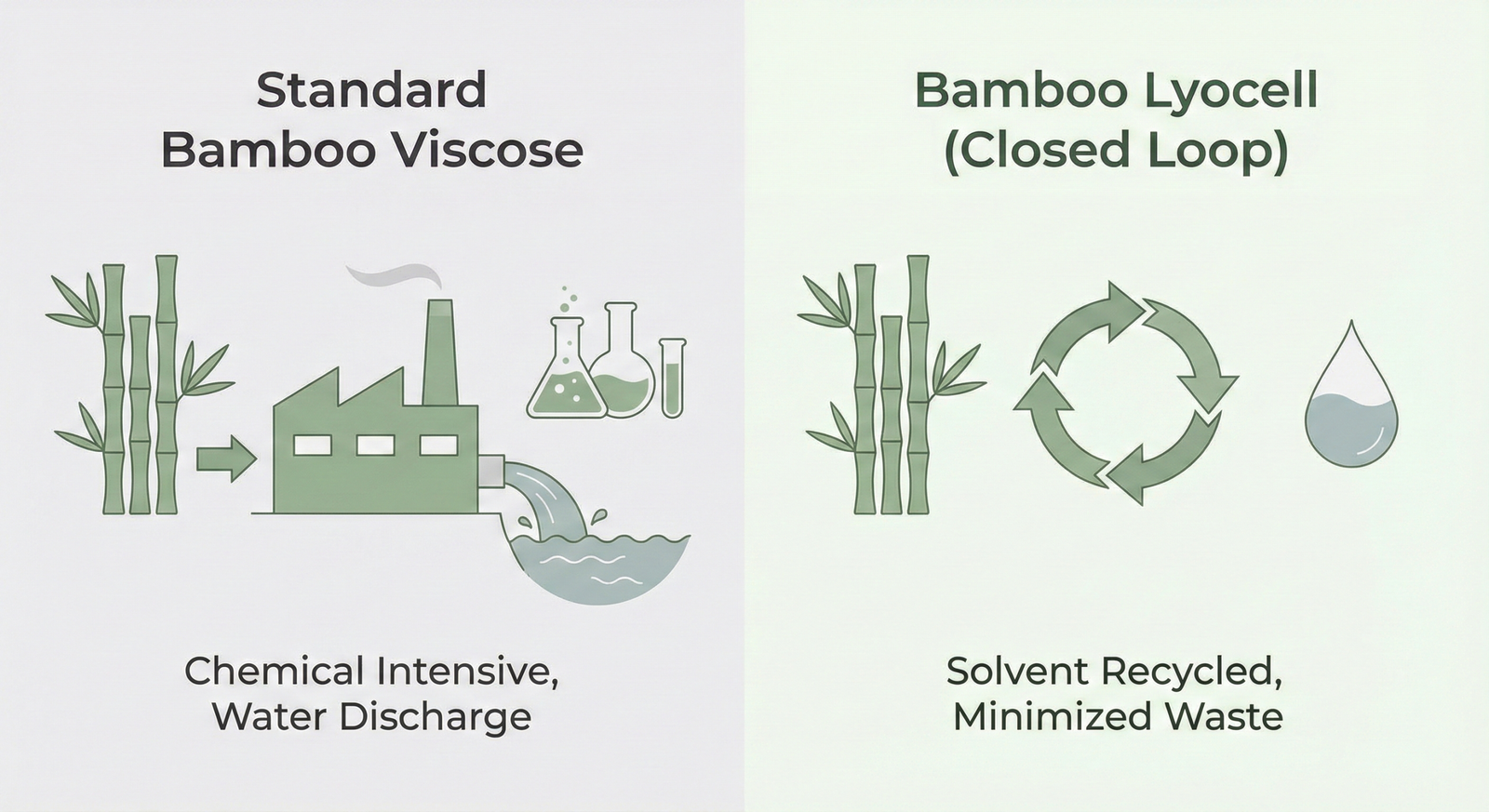
This fabric is made using a different process (similar to Tencel™). It uses a non-toxic solvent that is recycled in a “closed-loop” system. This means almost no chemicals are leaked into the environment.
Pros: It is the most eco-friendly option and is very strong when wet.
Cons: It is significantly more expensive than viscose and harder to find.
1.3 Bamboo Linen: The Niche Natural Option
Bamboo linen is made mechanically, similar to how flax linen is made. It involves retting the stems and combing out the fibers.
The Reality: The resulting fabric is rough and coarse. It feels nothing like the soft bamboo pajamas customers love.
Advice: Unless you are making structured summer jackets or rustic home goods, avoid this for fashion apparel. If a supplier sends you a silky shirt and calls it “Natural Bamboo Linen,” they are not being honest.
Part II: Global Sourcing Hubs – Where to Look?
Where does the best wholesale bamboo clothing come from? The supply chain is global, but each region has specific strengths and weaknesses.
2.1 China: The Industry Leader
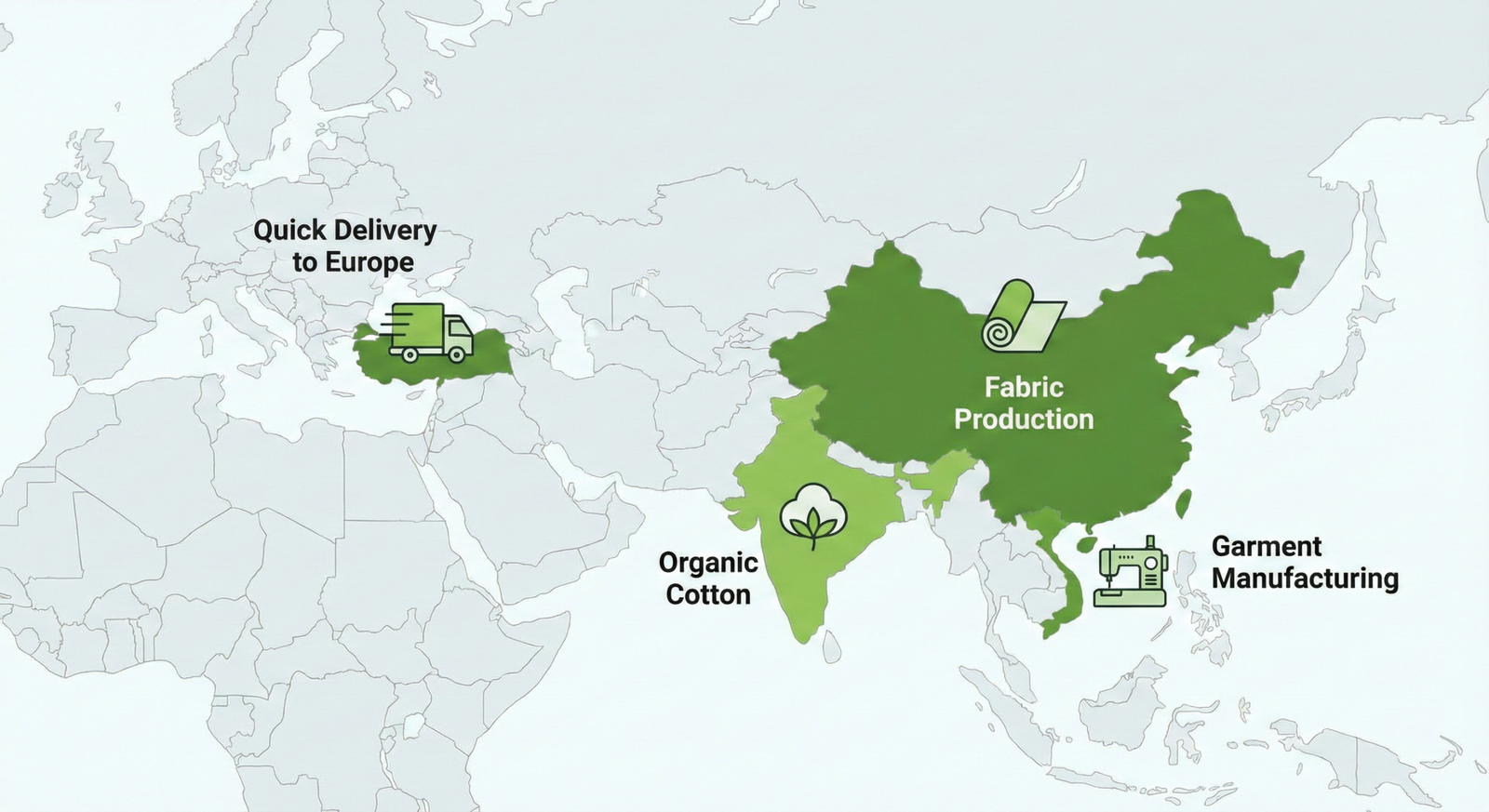
China is the undisputed king of bamboo. The country grows the vast majority of the bamboo used for textiles (specifically in the Sichuan and Hebei provinces).
The Pros: China has the most integrated supply chain. From the forest to the yarn spinner to the sewing factory, it is all there. This means Chinese bamboo clothing companies can offer the lowest prices and the widest variety of fabrics.
The Cons: For US buyers, there are tariff risks (Section 301 duties). For European buyers, shipping times can be long.
Best For: Brands that need custom designs (Private Label) and competitive pricing.
2.2 India: The Organic Cotton Blend Hub
India is famous for its cotton. Consequently, many Indian manufacturers specialize in blending imported bamboo fiber with domestic Organic Cotton (often GOTS certified).
The Strategy: A blend of 70% Bamboo / 30% Organic Cotton is very popular for baby clothes. The cotton adds structure, while the bamboo adds softness.
Best For: Baby brands and yoga wear.
2.3 Vietnam: The Duty-Free Alternative
Vietnam has become a massive player in the textile world.
For EU Buyers: Vietnam has a trade agreement with the EU (EVFTA). This often means you can import wholesale bamboo apparel duty-free, which gives you a huge margin advantage over Chinese goods.
For US Buyers: Vietnam is a safe harbor from the high tariffs often placed on Chinese goods.
The Catch: Vietnamese factories are often huge. They prefer massive orders (10,000+ pieces) and may not be interested in small boutique orders.
2.4 Turkey & Portugal: Near-Shoring for Europe
If you are based in the UK or EU and want speed, look here. Portugal is famous for high-quality jersey knits. You can get stock in weeks rather than months, but you will pay a premium price for the labor and proximity.
Part III: Best Channels to Find Bamboo Clothing Suppliers
Now that you know where to look, how do you actually find the contact information for these factories?
3.1 Direct-to-Factory (Private Label/OEM)
If you want to create your own brand with your own tags, you need a factory, not a middleman.
Alibaba & Global Sources: These are the biggest directories. When searching for bamboo clothing wholesale suppliers, filter your search by “Verified Supplier” or “Trade Assurance.”
Tip: Look at the company profile. If they sell everything from bamboo shirts to phone cases, they are a trading company (middleman). If they only sell knitwear and fabric, they are likely a real factory.
3.2 Wholesale Marketplaces (Buying Existing Brands)
If you just want to stock your shelves quickly and don’t care about having your own name on the tag, use wholesale marketplaces.
Faire & Tundra: These platforms connect boutique owners with established brands.
Pros: You can buy in small packs (e.g., 2 sizes of each). Faire often offers “Net 60” terms, meaning you can sell the goods before you have to pay for them.
Cons: You are selling someone else’s brand. You cannot build your own brand equity. Also, the wholesale price is higher because the brand takes a cut.
3.3 Physical Trade Shows
Nothing beats touching the fabric in person.
Magic (Las Vegas/Nashville): Huge for US fashion.
Canton Fair (China): The biggest sourcing fair in the world.
Part IV: Vetting & Compliance – Avoiding the “Greenwashing” Trap
This is the most critical section of this guide. The bamboo industry is full of misleading claims. If you are not careful, you could face legal issues or upset your eco-conscious customers.
4.1 FTC Labeling Regulations (Crucial for US Market)
The US Federal Trade Commission (FTC) is very strict about bamboo.
The Rule: You cannot label a garment as “100% Bamboo.”
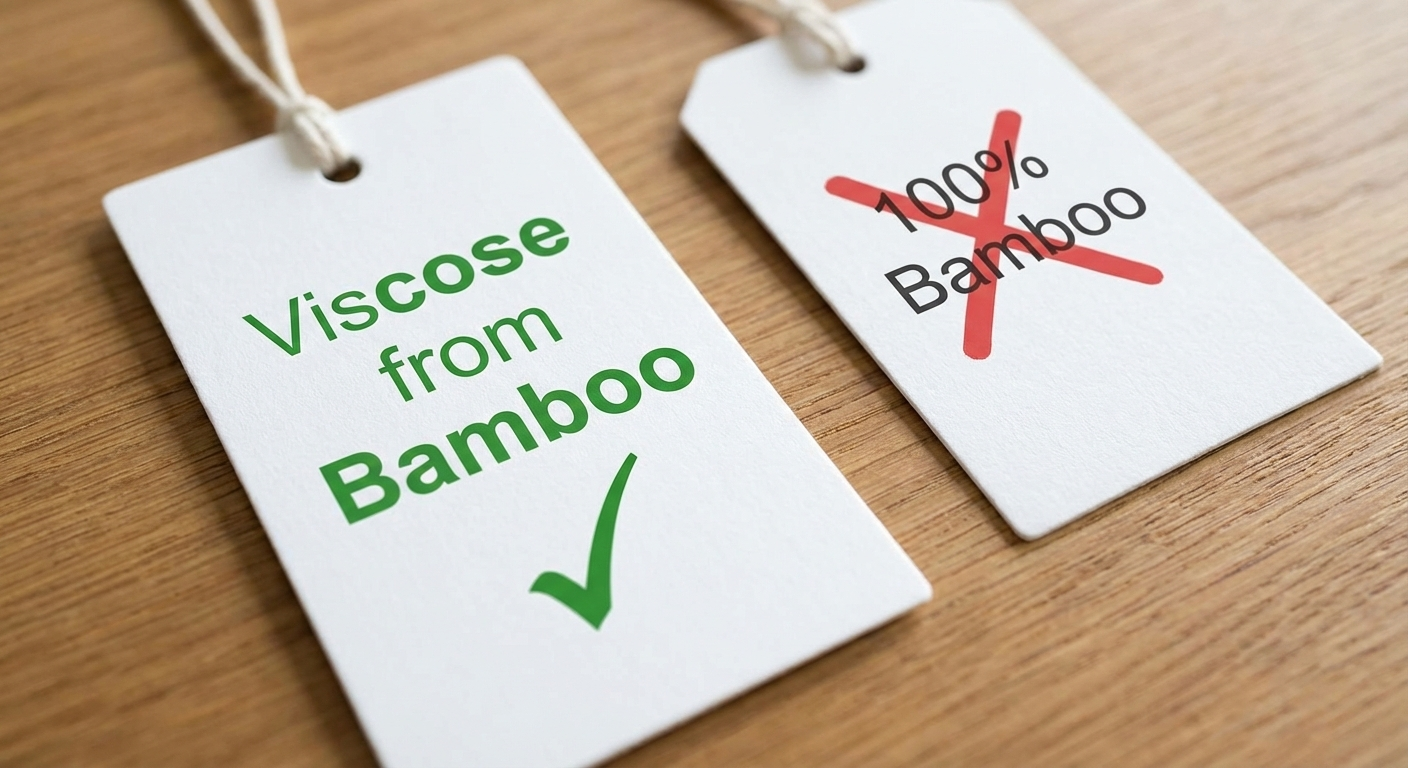
Why? Because the chemical process changes the bamboo into rayon/viscose.
The Correct Label: You must label it as:
“Rayon from Bamboo”
“Viscose from Bamboo”
“Viscose made from Bamboo”
If a bamboo clothing supplier tells you to label it “Organic Bamboo Fiber,” they are giving you bad advice that could get your goods seized by Customs.
4.2 Essential Certifications to Request
Don’t just take their word for it. Ask for these certificates:
OEKO-TEX Standard 100: This is non-negotiable for bamboo apparel wholesale. It tests the finished fabric to ensure there are no harmful chemicals left from the manufacturing process. If they don’t have this, do not buy.
The “GOTS” Myth: Be careful here. The Global Organic Textile Standard (GOTS) certifies organic natural fibers like cotton or wool. Since bamboo viscose is a semi-synthetic, it generally cannot be GOTS certified.
Note: If you buy a blend (e.g., 70% Bamboo / 30% Organic Cotton), the cotton portion can be GOTS certified, but the whole garment usually cannot carry the organic seal.
Part V: Negotiation Strategies & Managing MOQs
The biggest barrier for a boutique is the Minimum Order Quantity (MOQ). Big factories usually want you to order 500 or 1,000 pieces per color. Here is how to negotiate that down.
5.1 The “Stock Fabric” Strategy
Fabric mills dye fabric in huge batches (kilotons). If you ask a factory to dye a custom color for you (e.g., “Sunset Peach”), they have to dye a whole batch. That is why the MOQ is high.
The Hack: Ask the supplier: “Do you have any stock fabric available? Can I see your stock color card?”
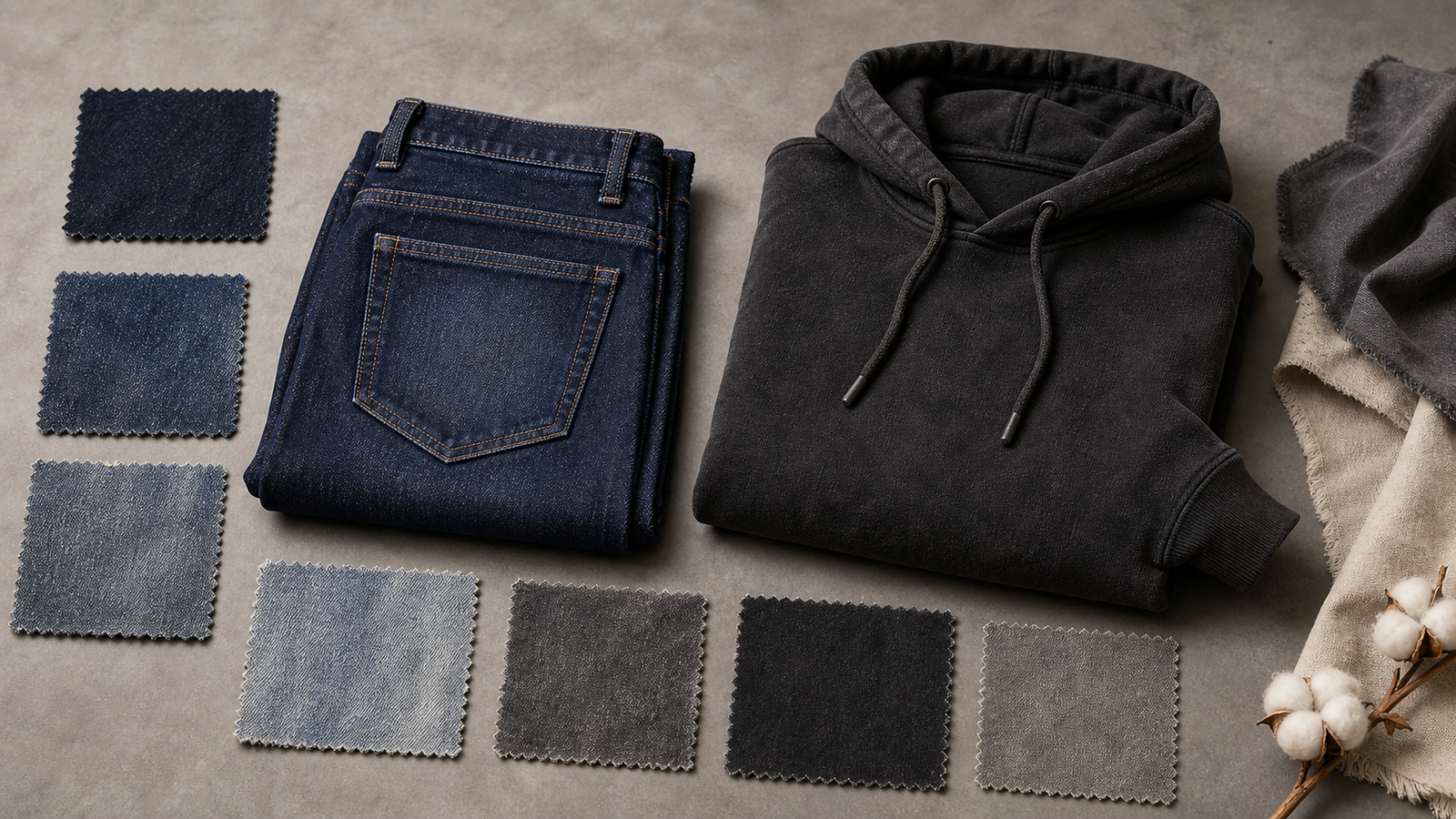
Factories almost always have rolls of Black, White, Navy, and Grey sitting in their warehouse. If you agree to use these colors, they can often lower the MOQ significantly because they don’t have to dye new material.
5.2 The “Surcharge” Strategy
If a factory says their MOQ is 300, but you only want 100, offer to pay more.
Script: “I understand your MOQ is 300. However, we are testing this new line. Would you accept an order of 100 pieces if we pay a 20% surcharge on the unit price?”
Most factories will agree. They just need to cover their setup costs. Once your product sells well, you can increase the volume and drop the surcharge.
5.3 Negotiating Shipping Terms (DDP vs. FOB)
FOB (Free On Board): The factory puts it on a boat, and you handle the rest. You have to hire a customs broker and pay duties separately. This is complicated for beginners.
DDP (Delivered Duty Paid): The factory handles everything. They ship it, clear customs, pay the taxes, and deliver it to your door.
Recommendation: For your first few orders of wholesale bamboo clothing, always ask for DDP air shipping. It costs a bit more, but it saves you massive headaches.
Part VI: Why Most Boutiques Struggle (And How to Fix It)
You have done the research. You know about Viscose vs. Lyocell. You know the FTC rules. But you are still stuck.
Why?
Because most bamboo clothing companies on Alibaba or Global Sources are designed for big buyers.
They ignore emails from small boutiques.
They demand MOQs of 500+ pieces.
They send samples that look great but ship production that looks cheap.
They leave you to figure out the confusing import taxes.
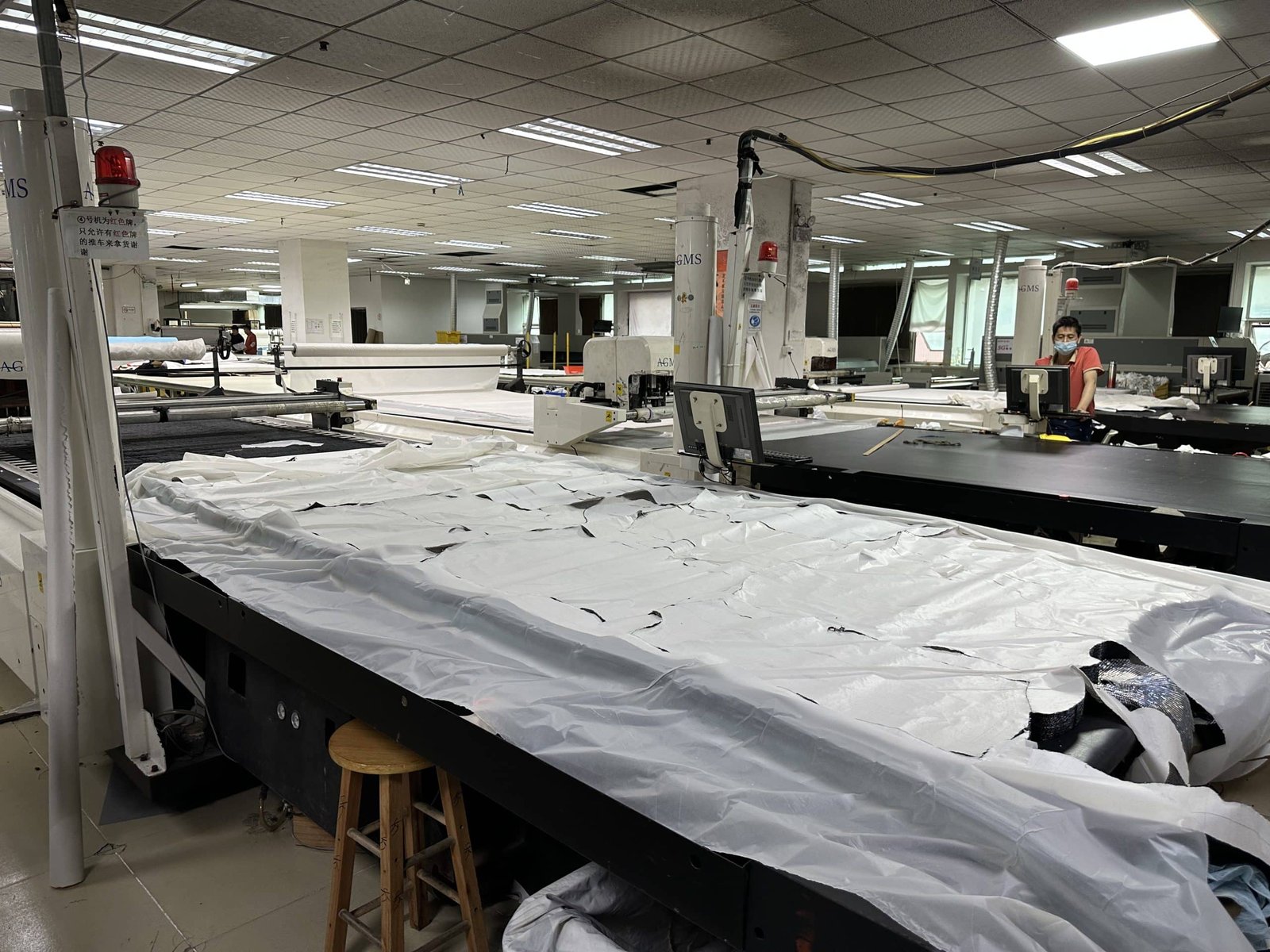
You need a partner, not just a vendor. You need a factory that understands the needs of a growing boutique.
Introducing: The Boutique-Friendly Manufacturer
We are not just another listing on a directory. We are a dedicated bamboo clothing wholesale manufacturer built specifically to help brands like yours launch and scale without the stress.
We have looked at the market and fixed the biggest pain points for boutique owners. Here is how we compare to the “typical” suppliers you find online:
| Feature | Typical Alibaba Supplier | ZEKA Apparel |
| Minimum Order (MOQ) | 300 – 500 pieces per style | 50 pieces per style (Mix sizes!) |
| Fabric Safety | Claims to be safe; vague docs | 100% OEKO-TEX Certified (Verified) |
| Shipping Terms | FOB (You handle Customs) | DDP Service (We pay duties & deliver to your door) |
| Communication | Slow, language barriers | Fluent English Support Team |
| Labeling | Often non-compliant (“100% Bamboo”) | FTC Compliant (“Viscose from Bamboo”) |
| Customization | Requires huge volume | Custom Tags & Packaging available on low runs |
Why Choose Us?
Low Risk, High Reward: With an MOQ of just 50 pieces, you can test new styles without risking thousands of dollars on inventory that might not sell.
Stock Fabric Program: We keep premium bamboo viscose fabric in stock in 20+ trendy colors. This allows us to produce your order fast—often shipping within 15 days.
Ethical & Transparent: We invite you to video call us. See our sewing floor. See our fabric storage. We believe in total transparency so you can tell your customers exactly who made their clothes.
Full Service: From pattern making to grading sizes for US/EU bodies, to custom private labeling—we handle it all.
Ready to Launch Your Bamboo Collection?
Don’t let high MOQs and confusing logistics stop you from building the sustainable brand of your dreams.
Stop searching through thousands of unverified listings. Start working with a partner who cares about your growth.
 English