Introduction: The Green Revolution
The fashion world is changing. Today, customers don’t just want clothes that look good—they want clothes that feel good and do good for the planet. This is why bamboo has become the “green gold” of the textile industry.
For a new brand, this is a huge opportunity. However, there is a big problem standing in your way.
When you try to find a sustainable clothing manufacturer in China, you often hit a wall. Most factories will ask for Minimum Order Quantities (MOQs) of 300, 500, or even 1000 pieces per style. For data on global fiber production trends, resources like the Textile Exchange Market Report show a growing gap between demand for sustainable fibers and accessible supply chains.
But here is the good news: You don’t need a huge budget to start.
This guide will show you exactly how to launch your own eco-friendly line. We will cover everything from understanding fabrics to finding low MOQ partners who can start with as few as 50 pieces.
Why Choose Bamboo? The 2026 Market Opportunity
Before we talk about manufacturing, let’s talk about why you should choose bamboo. If you are looking for bamboo apparel wholesale, you are picking one of the fastest-growing niches in fashion.
Here is why customers love it:
Incredible Softness: Bamboo fabric feels like silk but costs less. Expert guides on Sewport’s Fabric Directory highlight its smooth texture compared to standard cotton.
Breathability: It naturally wicks moisture away from the skin. This makes it perfect for activewear and sleepwear.
Eco-Friendly Image: Bamboo grows very fast and doesn’t need harsh pesticides.
For you as a business owner, this means higher profit margins. Because bamboo is seen as a premium material, customers are willing to pay more for it.Finding the right eco friendly clothing manufacturers china allows you to tap into this premium market without sacrificing quality.
Understanding Bamboo Fabrics: A Technical Guide for Founders
Many founders make a mistake here. They just ask a factory for “bamboo fabric.” But strictly speaking, most bamboo fabric is processed as rayon. To comply with international laws, specifically the guidelines from the U.S. Federal Trade Commission (FTC), you must label your products correctly (e.g., “Rayon made from Bamboo”).
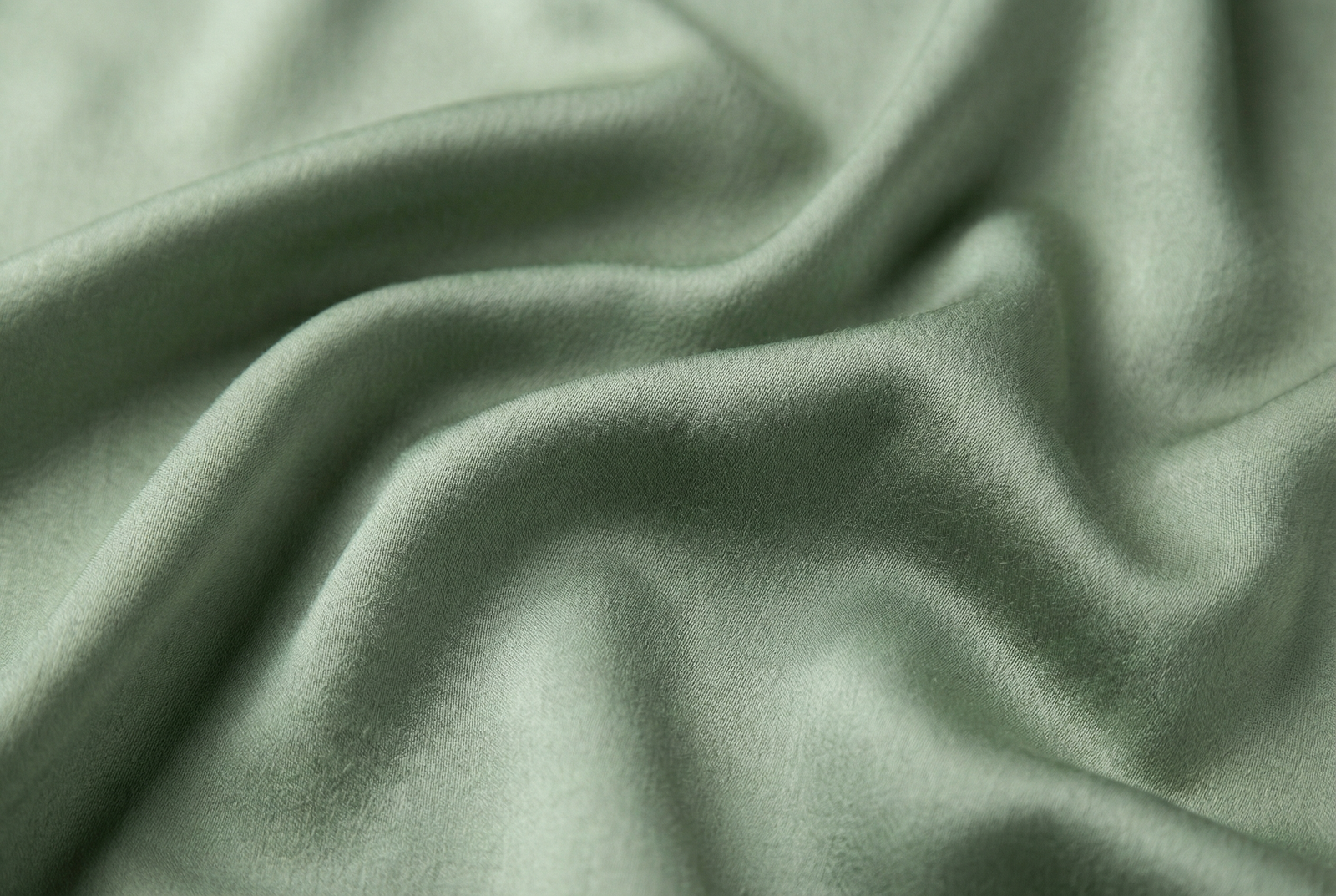
Here are the four main types you should know:
1. Bamboo Viscose (The Most Popular)
This is the most common type of bamboo fabric. It is famous for its silky, smooth texture and beautiful drape.
Best for: T-shirts, dresses, and basic loungewear.
Cost: Affordable.
Pro Tip: If you are looking for custom printed sleepwear fabric, bamboo viscose holds color very well.
2. Bamboo Lyocell (The Most Sustainable)
Bamboo Lyocell is made using a closed-loop process. This means the chemicals and water used to process the bamboo are recycled and reused, not dumped into the environment.
Best for: High-end eco-brands that market “100% sustainability.”
Cost: Higher than viscose.
3. Bamboo Spandex Blends (The Stretchy Choice)
Pure bamboo can sometimes be too loose. If you are making wholesale bamboo clothing for gym wear, yoga pants, or fitted underwear, you need stretch.
Composition: Usually 95% Bamboo / 5% Spandex (Elastane).
Best for: Activewear, boxers, and fitted tees.
4. Bamboo Cotton Blends (The Structured Choice)
Sometimes bamboo is too soft. Mixing it with cotton gives the fabric more structure and durability while keeping it breathable.
Best for: Heavier t-shirts, hoodies, and baby clothes that need to be washed often.
The “Small Batch” Dilemma: Overcoming Sourcing Challenges
Finding a factory is easy. Finding a factory that accepts small batch apparel manufacturing is hard.
Let’s be honest about the problem. Most traditional factories in China operate on a volume model. They have massive assembly lines with hundreds of workers. For them, setting up a production line for just 50 or 100 shirts is not profitable. The setup time costs them more than the profit from your order. This is why you often hear “No” or get quoted a Minimum Order Quantity (MOQ) of 500 pieces per color.
For a startup, buying 500 pieces of a new design is a huge gamble. What if it doesn’t sell? You are left with dead stock and no cash.
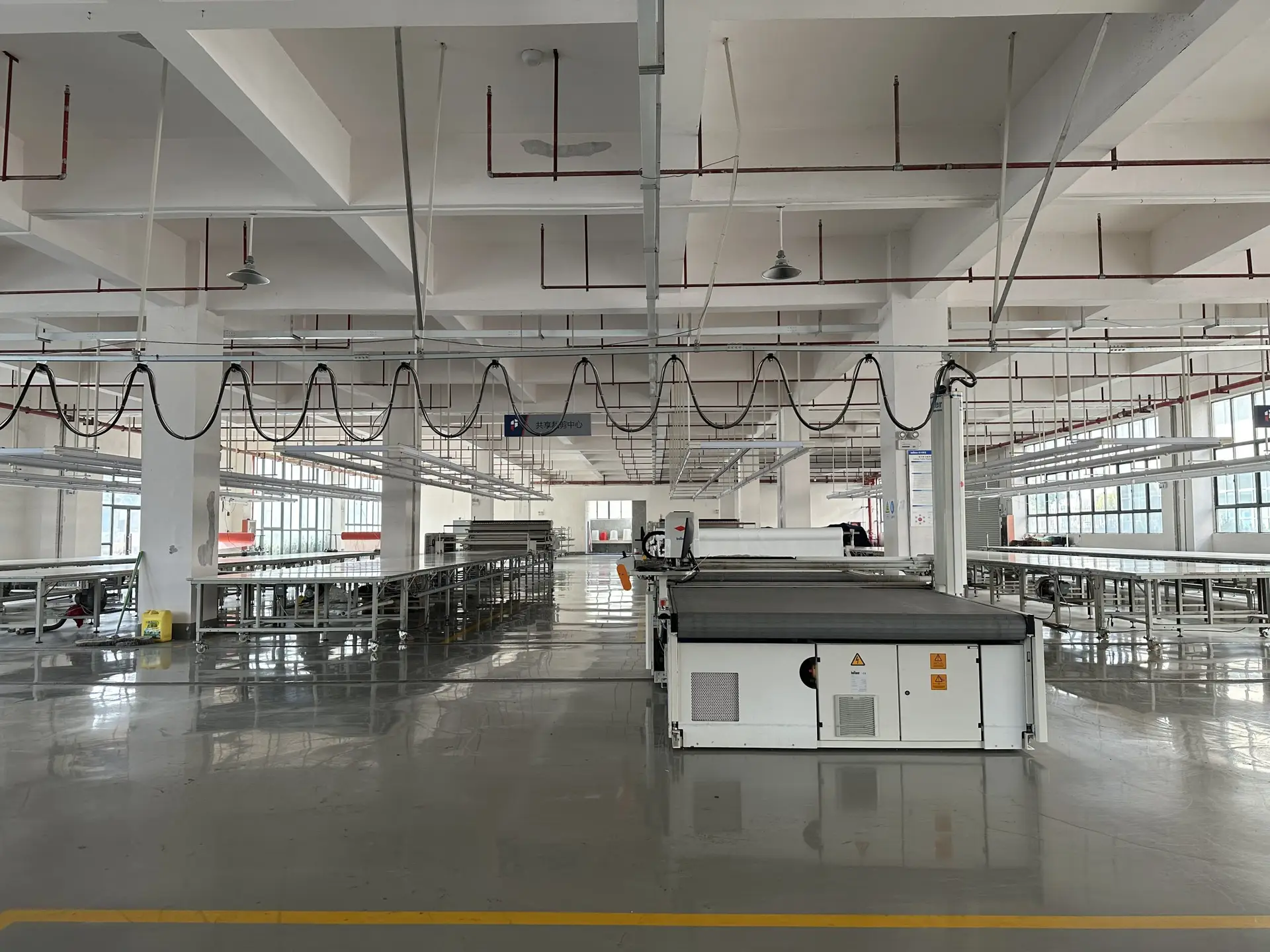
The Solution: The “Flexible Supply Chain”
To succeed in 2026, you need to find a manufacturer specifically designed for low MOQ production. These factories (like ZEKA Apparel) use different management systems. They are agile. They can switch styles quickly.
Working with a flexible partner allows you to:
Test the Market: Order 50 pieces of bamboo pajamas to see if customers like the fit.
Manage Cash Flow: Spend money on marketing, not warehousing inventory.
Scale Fast: Once a product hits, you can quickly reorder a larger batch.
Strategy: White Label vs. Private Label
When you are looking for wholesale bamboo clothing, you will hear two terms often: White Label and Private Label. Understanding the difference is critical for your business model.
1. White Label Clothing (The Fast Route)
White label clothing refers to generic products that have already been manufactured by the factory. The factory makes a plain bamboo t-shirt, and you simply add your logo to it.
Pros: It is very fast. The product is ready to ship.
Cons: You cannot change the fit, the fabric weight, or the design. Your product will look exactly like your competitor’s product.
Verdict: Good for printing companies, but hard to build a luxury brand.
2. Private Label (The Brand Builder)
This is where the real money is. Private label loungewear or apparel means the factory manufactures the product specifically for you. You control the size chart, the specific bamboo blend, the color, and the custom tags.
Pros: Your product is unique. You can fix fit issues. You can choose premium bamboo fabric suppliers to get the exact hand-feel you want.
Cons: It usually takes longer (2-4 weeks) and requires a tech pack.
Verdict: If you are serious about building a brand, you must choose Private Label. This is the only way to justify a premium price point to your customers.
Top 3 Niches: Where to Start with Bamboo?
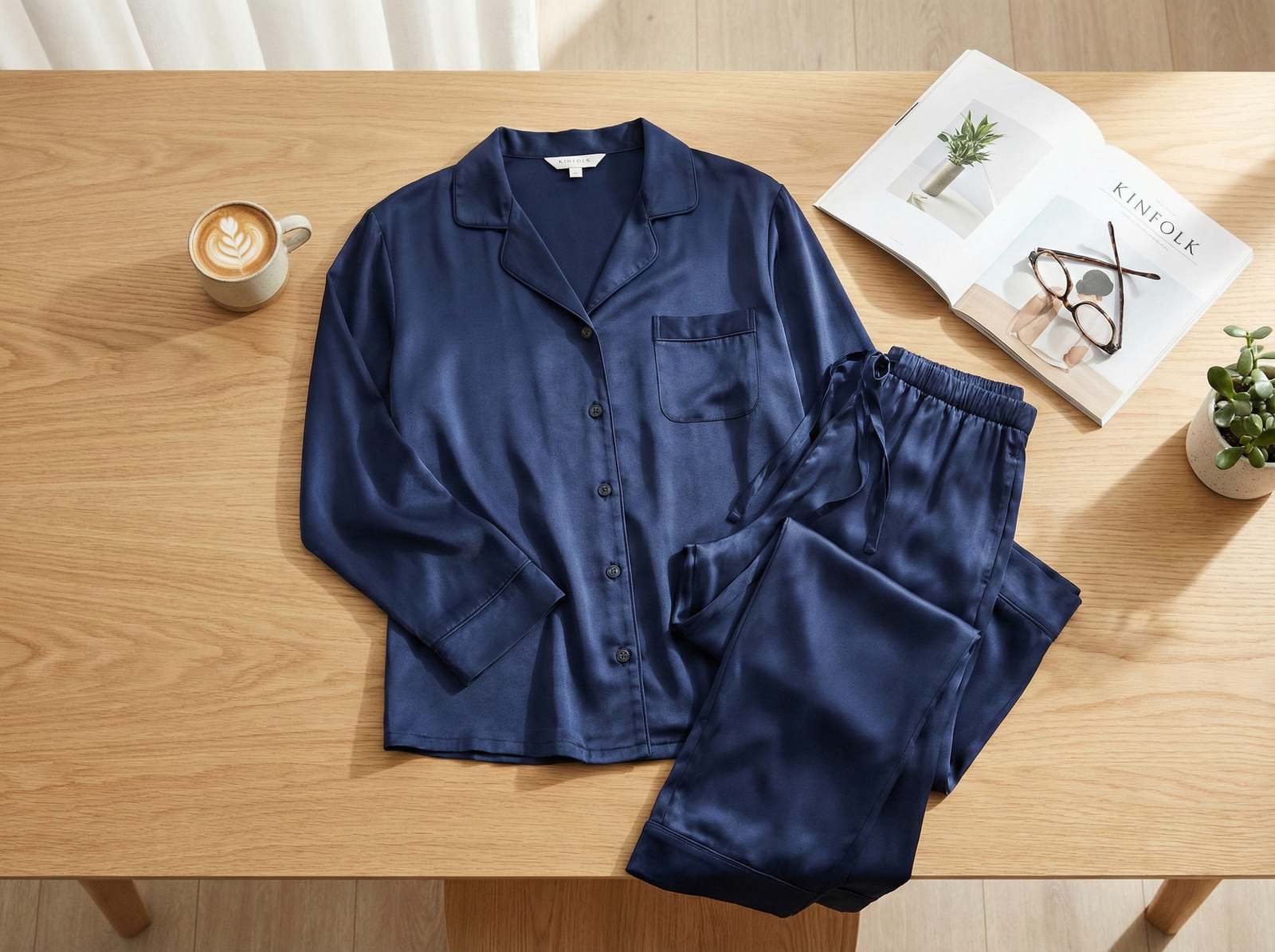
You have the material (bamboo) and the method (private label). Now, what should you actually sell? Based on current search trends and data for bamboo apparel wholesale, here are the three most profitable niches for new brands.
Niche 1: Bamboo Sleepwear & Pajamas
This is the “King” of bamboo products. Why? Because the main selling point of bamboo is how it feels on the skin. It is cool to the touch and regulates body temperature. This solves a massive pain point for customers: night sweats.
If you search for bamboo pajamas wholesale suppliers, you will see demand is skyrocketing. Customers are happy to pay $80-$100 for a high-quality bamboo pajama set because it improves their sleep quality.
Startup Tip: Start with a classic button-up pajama set in neutral colors (Sage Green, Navy, Blush Pink).
Niche 2: Sustainable Baby Clothing
Parents today are very careful about what touches their baby’s skin. Bamboo is naturally hypoallergenic and antibacterial. This makes it perfect for babies with eczema or sensitive skin.
Keywords to target: Bamboo clothing manufacturers for baby onesies, swaddles, and rompers.
The Advantage: Baby clothes use very little fabric, which helps keep your product costs low, even with premium materials.
Niche 3: Premium Loungewear & Basics
The world has changed. People work from home more than ever. They want to look professional on a Zoom call but feel like they are wearing pajamas. Private label loungewear made from heavy-weight bamboo fabric is the answer. Think about oversized hoodies, joggers, and fitted tees.
The Trend: Streetwear brands are now moving into “Luxury Comfort.” By using heavy bamboo french terry (300gsm+), you can create hoodies that feel expensive and durable, separating you from cheap fast fashion.
How to Verify a “Sustainable” Manufacturer
There are thousands of results when you Google sustainable clothing manufacturer in China. How do you know who is telling the truth?
Here is a simple checklist to vet your supplier before you pay a deposit:
1. Ask for Fabric Certifications
Don’t just take their word for it. Ask if their fabric is Oeko-Tex Standard 100 certified. This certificate guarantees that the fabric is free from harmful chemicals. If they can’t show you this, run away.
2. Check the “Sample” Quality
Before doing a bulk order, always pay for a sample. When you get the sample, check the stitching inside out.
Are the seams straight?
Wash it 3 times. Does it shrink? (Bamboo shrinks naturally, but a good factory will account for this in the cutting process).
Does the color fade?
3. Communication Speed
In the small batch apparel manufacturing business, communication is everything. If a factory takes 3 days to reply to your email before you pay them, imagine how slow they will be after they have your money. A good partner should act like a consultant, helping you choose the best fabrics and printing methods.
The Production Process: From Idea to Delivery
So, you are ready to start. Here is exactly what the process looks like when you work with a professional supplier like ZEKA Apparel.
Step 1: The Tech Pack
This is the blueprint of your product. It includes your sketches, size charts, and fabric choices. If you don’t have one, don’t worry—many beginner-friendly factories can help you create a basic one.
Step 2: Sourcing & Sampling
We source the specific bamboo fabric you need. Then, we cut and sew a single sample for you to review. You will try it on and tell us if you want the sleeves longer or the waist tighter.
Step 3: Bulk Production
Once you approve the sample, we start the bulk order. This is where low MOQ shines. You can order just 50 pieces mixed sizes.
Step 4: Quality Control & Shipping
We check every single thread. Then, we iron, pack, and ship the goods directly to your door or warehouse.
Conclusion: Start Your Journey Today
The fashion industry is competitive, but there is always room for quality. By focusing on a high-demand niche like bamboo and partnering with a manufacturer that supports low MOQ, you drastically reduce your risk.
You don’t need a million dollars to start a clothing brand in 2026. You just need a good idea and the right partner.
If you are looking for wholesale bamboo clothing suppliers who understand the needs of startups, ZEKA Apparel is here to help. We offer MOQs starting at just 50 pieces, premium bamboo fabrics, and expert guidance to help you grow.
 English